Neurodivergent Travel Made Simple: 10 Things You Should Know Before Booking
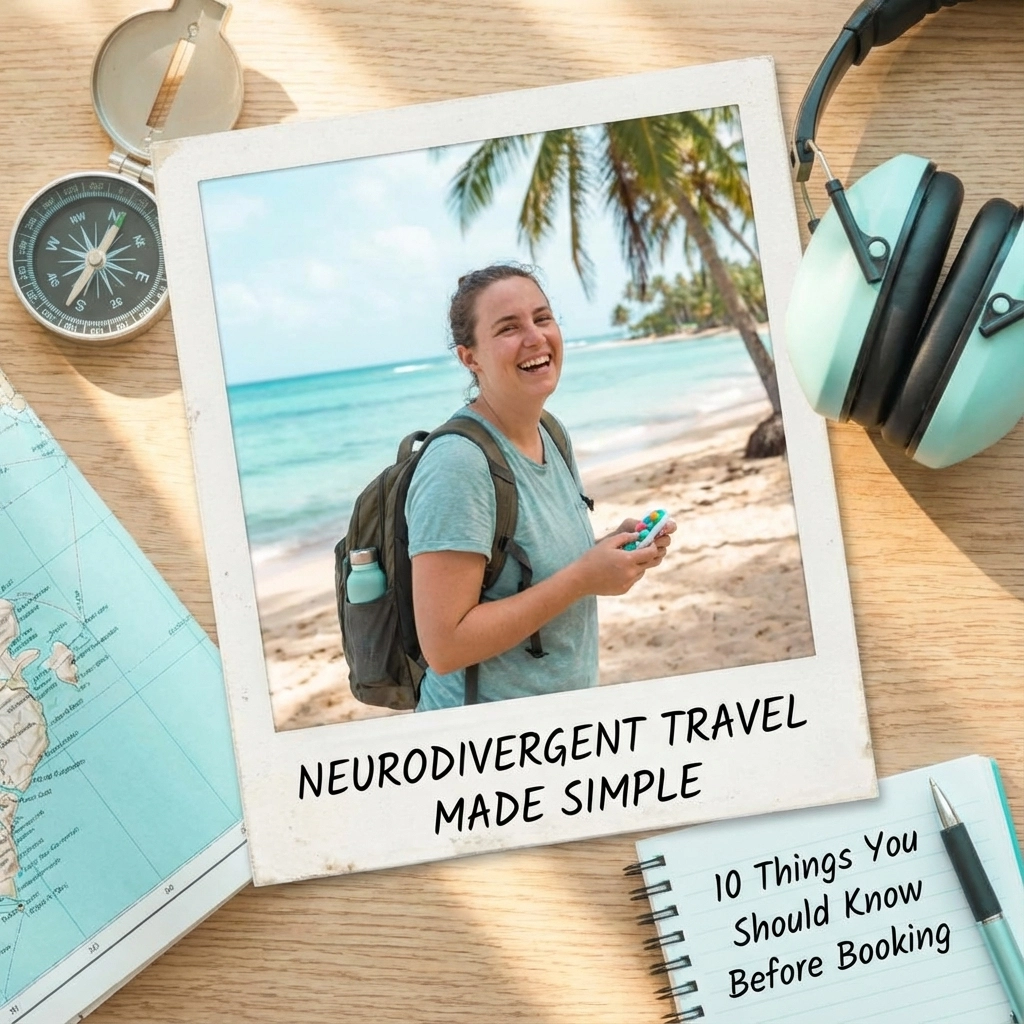
Planning a trip when you're neurodivergent doesn't have to be overwhelming. In fact, the right preparation can transform what might feel like a stressful experience into something genuinely enjoyable. The key lies in making informed choices right from the booking stage.
Everyone's needs are different, and that's perfectly okay. What works beautifully for one person might not suit another, and we want you to feel confident in creating a travel experience that truly works for you.
1. Research Becomes Your Best Friend
Before you book anything, give yourself permission to dive deep into research. This isn't overthinking – it's smart planning that will serve you well.
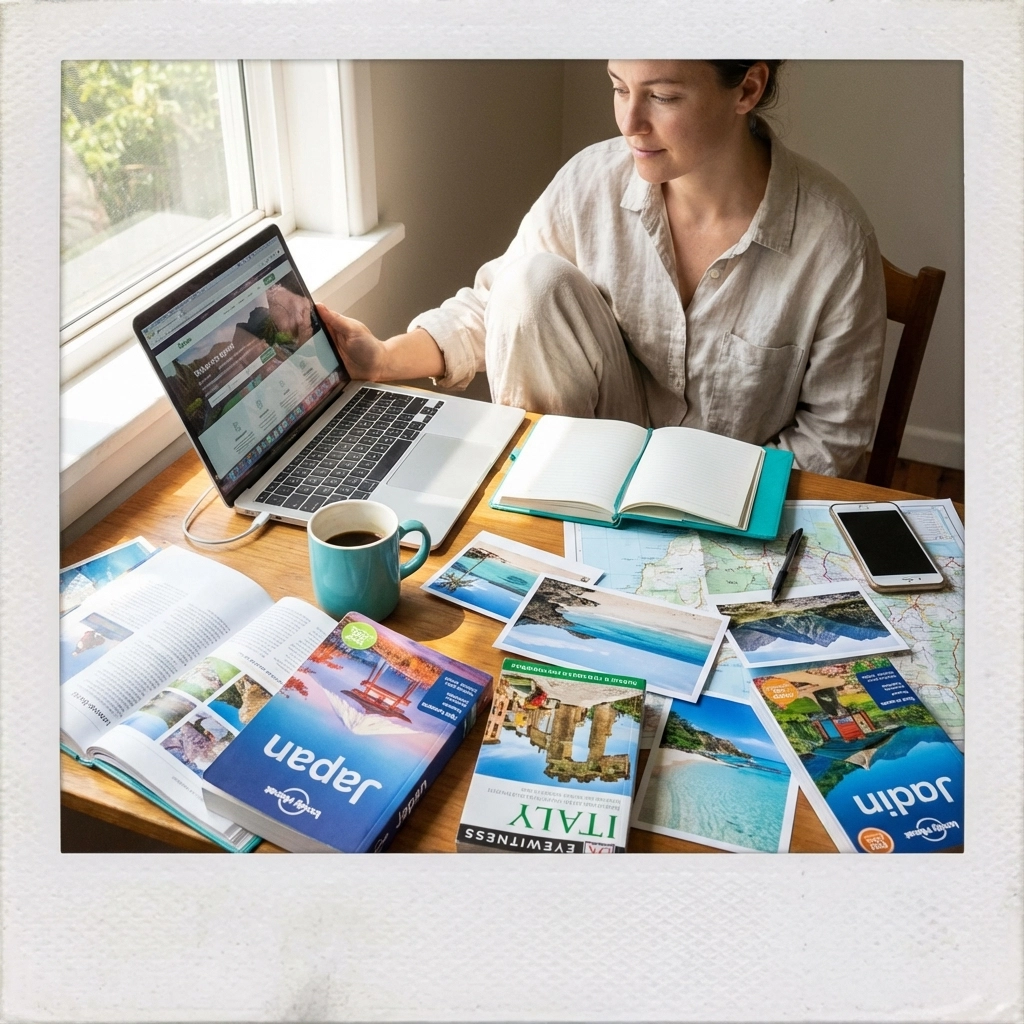
Use Google Street View to virtually walk around your potential accommodation and explore the surrounding area. Look at photos of hotel rooms, restaurant interiors, and transport stations. Check out airport layouts and read recent reviews that mention accessibility features or sensory considerations.
The National Autistic Society tells us that familiarity reduces anxiety significantly. When you arrive somewhere you've already "visited" online, your brain has a framework to work with rather than processing everything as completely new information.
2. Choose Your Transport Thoughtfully
When booking flights, prioritise direct routes whenever your budget allows. Yes, they might cost more upfront, but avoiding the stress of navigating connections and unfamiliar airports is often worth every penny.
If you're considering alternative transport, that's wonderful too. Trains can offer a gentler, more predictable journey with space to move around. Coaches might suit you if you prefer ground-level travel. The important thing is choosing what feels right for you, not what others suggest you "should" do.
Remember to arrive at airports well in advance – three hours for international flights gives you breathing room to navigate security and find quiet spaces if you need them.
3. Pick Accommodation That Supports You
Your accommodation choice can make or break your trip, so it's worth investing time and potentially extra budget here.
Consider booking private rooms rather than shared dormitories, even if it stretches your budget slightly. Having a quiet retreat where you can regulate and recharge is invaluable. Look for accommodations that offer rooms away from lifts, main corridors, or busy streets if noise sensitivity is a concern for you.
Don't hesitate to contact hotels directly before booking. Many are happy to accommodate requests for quieter rooms or ground floor access. The worst they can say is no, but you might be pleasantly surprised by their willingness to help.
4. Plan Your Arrival and Departure Transport
Before you book your trip, research how you'll actually get from the airport to your accommodation and back again. This might seem like a small detail, but sorting this out in advance removes one significant stress point.
Check if your hotel offers transfer services, research local public transport options, or see if rideshare services like Uber operate reliably in your destination. Having a clear plan means you won't be standing in an unfamiliar airport trying to figure out your next move while feeling tired and potentially overwhelmed.
5. Build Flexibility Into Your Itinerary Structure
Rather than booking rigid day tours or cramming your schedule full, create what we like to call an "options menu" for each day. Research several activities or attractions, but don't commit to doing them all.
This approach lets you plan exciting experiences while preserving the freedom to change course if you're having a challenging sensory day or simply want to explore something unexpected. Flexibility isn't a sign of poor planning – it's intelligent preparation for the reality of travel.
Most tour companies offer cancellation policies that give you some wiggle room, so check these before booking. Day-of-travel decisions often work better for neurodivergent travelers than locked-in schedules.
6. Consider Your Sensory Toolkit Needs
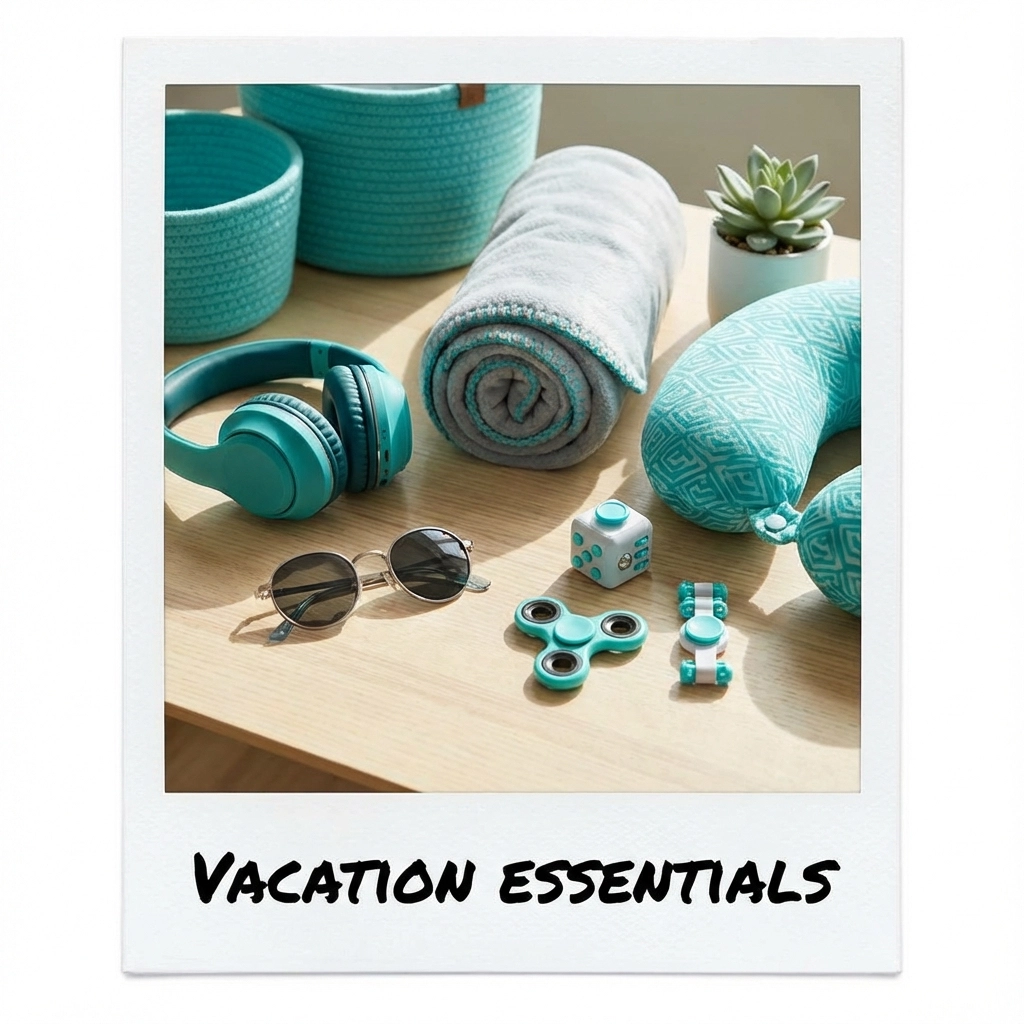
Before booking, think honestly about what sensory experiences might challenge you and plan accordingly. Will you need noise-cancelling headphones for flights? Sunglasses for bright destinations? Particular clothing textures or fidget tools?
Make sure your luggage allowance accommodates these essentials. It's often worth paying for extra baggage weight rather than leaving important sensory tools behind. These items aren't luxuries – they're practical necessities that help you navigate the world comfortably.
Consider whether your destination's climate, typical noise levels, or cultural norms around personal space align with your sensory preferences. There's no shame in choosing destinations that naturally suit your needs rather than forcing yourself into challenging environments.

7. Plan Shorter Trips With Built-In Rest
When you're excited about travel, it's tempting to pack in as much as possible. However, shorter trips with adequate rest often provide much more enjoyment than lengthy, packed itineraries that leave you exhausted.
Try planning trips where you stay at least two nights in each location. This gives you time to settle in and reduces the constant packing and unpacking that can be draining. Schedule half-day activities rather than full-day tours, and avoid planning anything additional on travel days themselves.
Remember, you're not failing if you need more downtime than other travelers. You're being wise about your energy levels and ensuring your trip remains enjoyable rather than enduring.
8. Budget for Comfort Upgrades
When planning your budget, consider allocating more funds toward accommodation comfort and less toward activities or dining out. A peaceful, private room where you can retreat and recharge is often more valuable than an extra museum visit.
This might mean choosing a mid-range hotel with good soundproofing over budget accommodation in a busy area. Or perhaps paying extra for a room with a view of a quiet courtyard rather than a bustling street. These aren't indulgences – they're strategic investments in your wellbeing.
Airport lounge access can also be worth the cost, providing quiet spaces, comfortable seating, and predictable environments during potentially stressful travel days.
9. Research Quiet Spaces and Sensory-Friendly Options
Before booking, investigate what quiet spaces and sensory-friendly options exist at your destination. Many airports now have dedicated quiet rooms or sensory spaces. Museums often have less crowded visiting times, and some offer special quiet hours.
Check if your destination has sensory-friendly cinema screenings, quiet shopping hours, or restaurants with calmer atmospheres during certain times. Having this information before you travel means you can access these resources without the stress of searching while feeling overwhelmed.
National tourist boards and local autism societies often provide this information on their websites, so they're excellent places to start your research.
10. Prepare Documentation and Communication Tools
Before booking, consider what documentation or communication tools might help your journey run smoothly. Some people find it helpful to prepare simple explanation cards about their needs, while others prefer to have key phrases written down in the local language.
Make sure all your important documents are easily accessible and consider having digital copies stored securely online. Travel insurance that covers your specific needs is worth researching too.
If you take medication, research the rules around bringing it into your destination country and ensure you have enough for your entire trip plus a few extra days in case of delays.
Planning Your Perfect Trip
Remember, there's no "right" way to be a neurodivergent traveler. What matters is understanding your own needs and planning accordingly. Every consideration you make during the booking process is an investment in a more comfortable, enjoyable travel experience.
If you're feeling uncertain about any aspect of your travel planning, please don't hesitate to get in touch with us. We understand that everyone's needs are different, and we're here to help you create a travel experience that works beautifully for you.
Most importantly, be kind to yourself throughout the planning process. Taking time to consider your needs isn't being demanding or difficult – it's being thoughtful and ensuring your travels bring joy rather than stress. We hope this guide helps you feel more confident about your next adventure, and we'd love to hear about your experiences.
