Showing posts with label accessible Europe. Show all posts

Thursday, October 2, 2025


Looking For Accessible European Cities? Here Are 10 Hidden Gems You've Never Considered
heroImage

When planning your accessible European adventure, you might automatically think of Paris, Rome, or London. While these cities are wonderful, Europe's true treasures often lie beyond the obvious choices. These hidden gems offer authentic experiences, stunning beauty, and excellent accessibility – all without the overwhelming crowds and inflated prices of their famous neighbors.

We've discovered some absolutely remarkable destinations that welcome travelers with support needs while providing genuine cultural experiences. Each of these cities has something special to offer, and we think you'll be pleasantly surprised by what they can provide for your next adventure.

Medieval Magic in the Baltics

Tallinn, Estonia feels like stepping into a fairy tale, with its remarkably well-preserved medieval Old Town surrounded by ancient limestone walls. What makes this destination truly special is how wonderfully un-touristy it feels, especially during shoulder seasons like September. The city center is compact and largely pedestrianized, making navigation straightforward for travellers using mobility aids.

The Estonian capital brilliantly balances historical charm with modern conveniences. You'll find excellent accessibility in newer areas, while the medieval quarter offers ramped access to many attractions. Most restaurants and cafes have embraced universal design principles, and the local tram system provides step-free access throughout the city.

Riga, Latvia offers another Baltic treasure with its UNESCO World Heritage Old Town delivering that quintessential European fairy-tale atmosphere. The cobblestone streets might seem challenging, but the city has invested significantly in accessibility improvements. Many of the major attractions, including the stunning Riga Opera House, provide excellent facilities for visitors with support needs.

What we love about Riga is its vibrant art scene – the underground galleries and cultural spaces are increasingly accessible, and the massive Central Market (housed in former Zeppelin hangars) offers level access throughout. The city feels genuinely authentic, and locals are incredibly welcoming to international visitors.
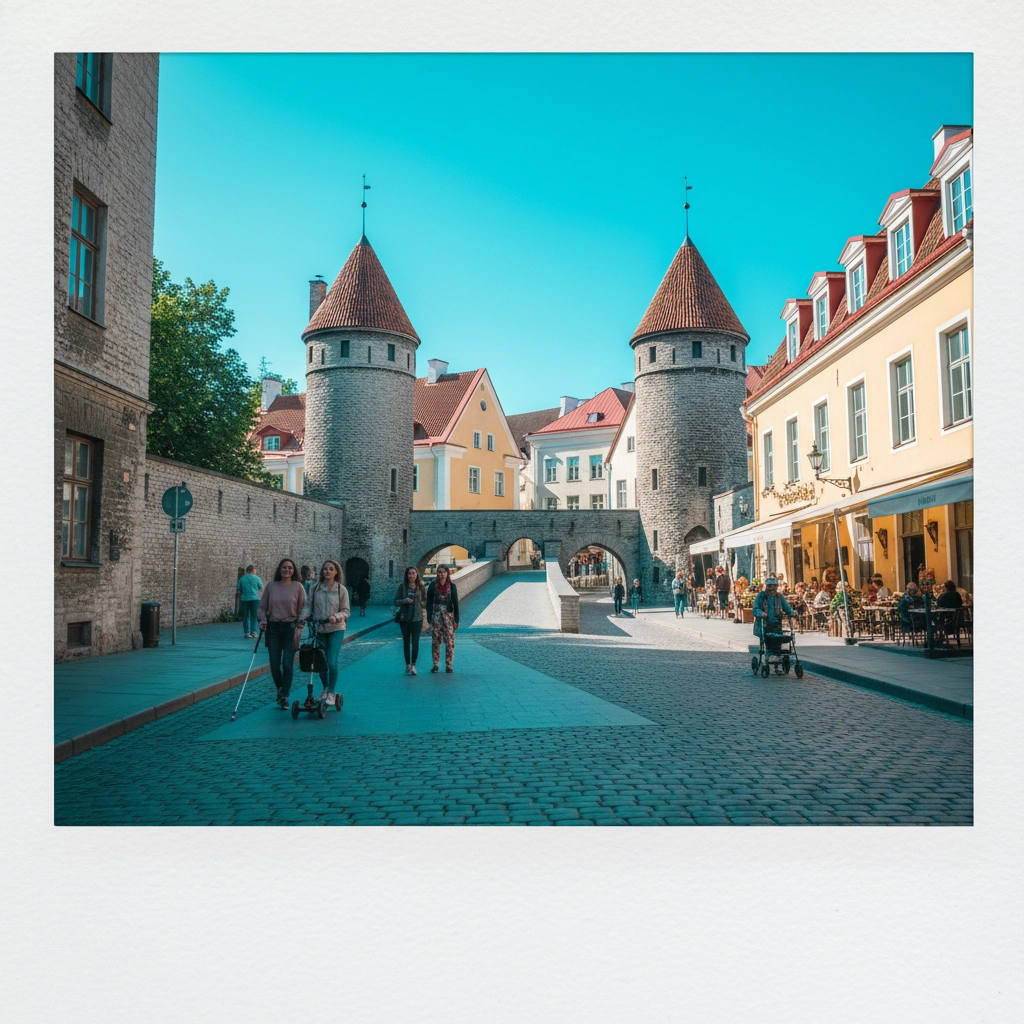
image_1

Charming French and German Alternatives

Colmar, France delivers everything you'd expect from a French destination – timber-framed houses, canal-side dining, and that unmistakable Alsatian charm – but in a wonderfully intimate setting. Often called the "Little Venice of France," Colmar provides a much more manageable experience than its larger cousins.

The city center is predominantly flat, with excellent pedestrian areas and accessible public facilities. Many of the charming restaurants along the canals have made thoughtful accessibility adaptations, and the local tourist office provides detailed accessibility maps. You'll find this destination particularly welcoming during autumn when the crowds thin out and the colors are absolutely spectacular.

Ljubljana, Slovenia combines Central European elegance with remarkable value for money. The Slovenian capital sits beautifully along the Ljubljanica River, with leafy riverbanks providing perfect wheelchair-accessible walking routes. The city center is car-free, which creates a peaceful atmosphere and makes navigation much easier for everyone.

What's particularly impressive about Ljubljana is how the city has integrated accessibility into its urban planning. The castle is accessible via funicular railway, major attractions provide excellent facilities, and the local buses feature low-floor designs with audio-visual announcements.

Coastal Gems Worth Discovering

Cascais, Portugal offers everything you'd want from a Portuguese coastal experience – stunning Atlantic views, excellent seafood, and that relaxed Mediterranean lifestyle – without the tourist saturation of the Algarve. The seafront promenade is fully accessible, and many of the beachside restaurants have made thoughtful adaptations for diners with different needs.

The town sits just 30 minutes from Lisbon by accessible train, making it perfect for a day trip or longer stay. Local attractions, including the fascinating museums and cultural centers, have embraced inclusive design principles. You'll also find that many accommodations have been specifically designed with accessibility in mind.

Bari, Italy brings together authentic Italian culture with excellent transport links as a major port city in Puglia. The historic old town might present some navigation challenges with its narrow streets, but the newer areas provide excellent accessibility, and the seafront areas are wonderfully level and spacious.

What makes Bari special is its genuine local atmosphere – you'll experience real Italian life rather than tourist-focused experiences. The local accessibility improvements have been significant in recent years, particularly around the main cultural sites and along the beautiful coastal areas.
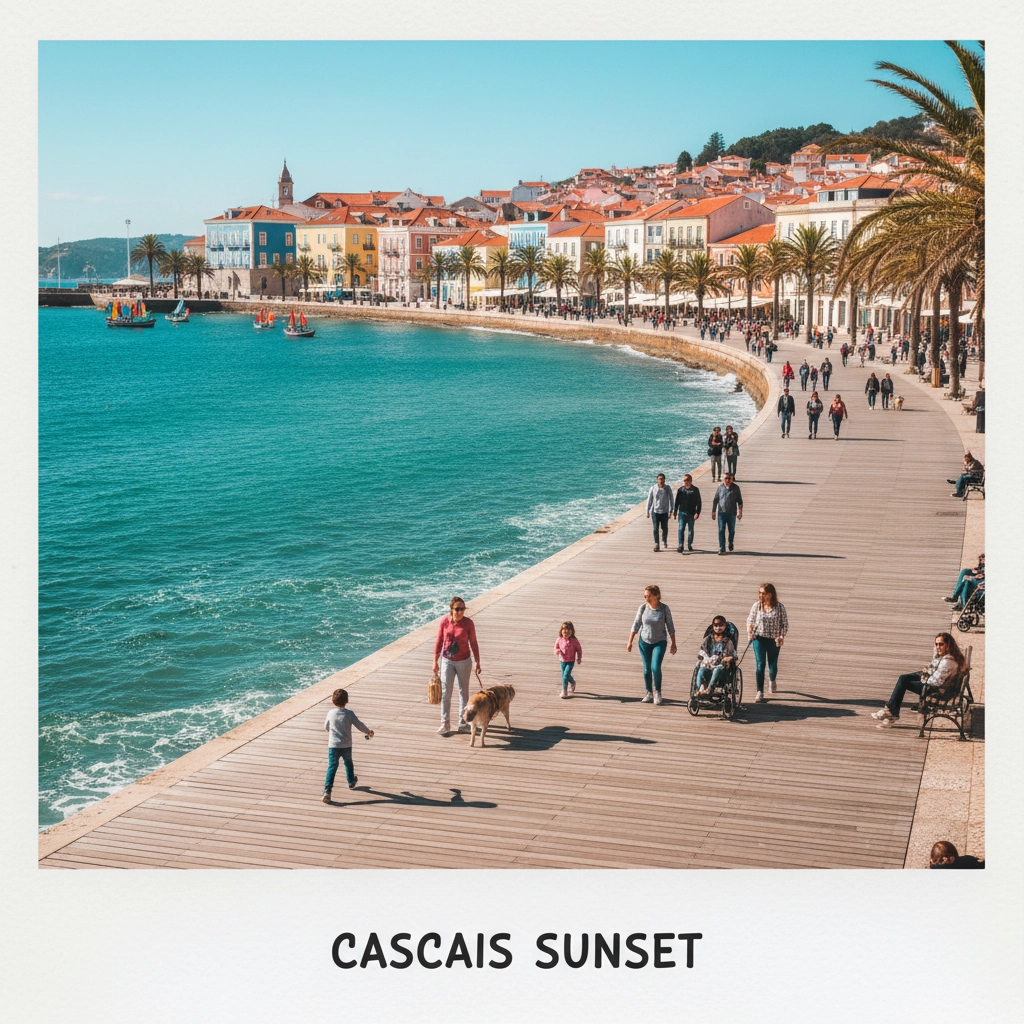
image_2

Alpine and Island Retreats

Hallstatt, Austria might look almost too picturesque to be real, but this lakeside village offers surprisingly good accessibility for an alpine destination. The main village areas are relatively flat, and the stunning lake views are accessible to everyone. While some of the hillside areas require more mobility, the core attractions and dining options are well-designed for visitors with support needs.

The journey to Hallstatt itself is part of the experience – accessible trains connect to the ferry service, which accommodates wheelchairs and mobility aids. Local accommodations have increasingly focused on universal design, making this fairy-tale destination genuinely welcoming.

Saas-Fee, Switzerland transforms from a bustling ski resort in winter to a peaceful mountain retreat during summer months. The car-free village provides a calm environment that's perfect for travelers who prefer quieter settings. The cable car system to Mittelallalin (at 3,500 meters) is fully accessible and offers some of the most spectacular alpine views in Europe.

What we particularly appreciate about Saas-Fee is how the tourism infrastructure has been designed with accessibility in mind from the ground up. Hotels, restaurants, and attractions consistently provide excellent facilities, and the village layout makes navigation straightforward.

Murano, Italy offers a completely different experience from mainland Venice while remaining easily accessible via water taxi. Once the day-trippers leave, this glass-making island transforms into a peaceful retreat where you can experience authentic Venetian island life.

The main walkways are level and well-maintained, and many of the famous glass workshops provide accessible viewing areas. You'll find this destination particularly rewarding if you prefer cultural experiences without overwhelming crowds.
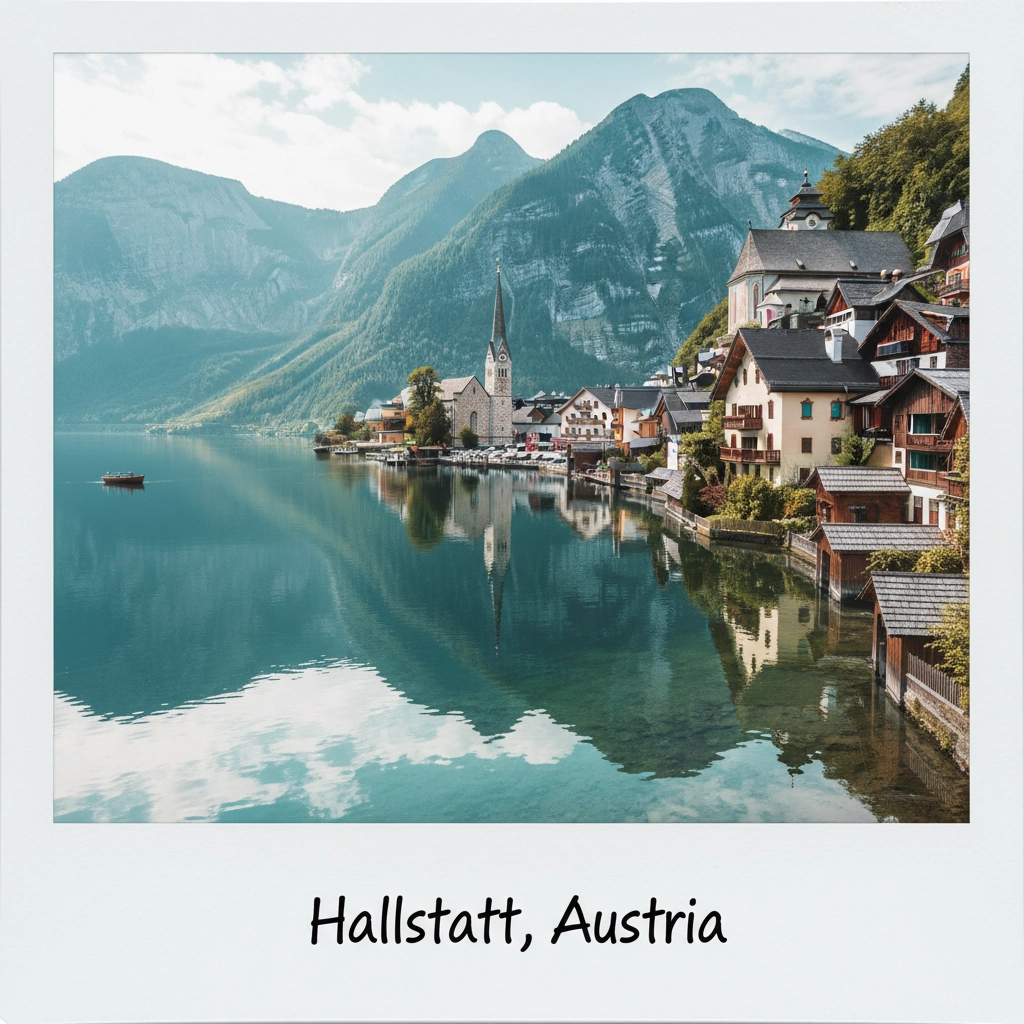
image_3

Cultural Capitals Off the Beaten Path

Budapest's Castle District provides some of Europe's most spectacular urban views from its UNESCO World Heritage hilltop location. While the castle area sits on elevated ground, the funicular railway system provides excellent access, and once you're there, the main attractions are well-connected by level pathways.

The cultural attractions, including the Hungarian National Gallery and Mátyás Church, have invested significantly in accessibility improvements. The restaurants and cafes in the area increasingly offer step-free access and thoughtful design for diners with different needs. Those stunning Danube River views? They're accessible to everyone.

Making Your Hidden Gem Adventure Happen

These destinations prove that Europe's most rewarding experiences often come from exploring beyond the obvious choices. Each offers something unique – whether it's medieval charm, coastal beauty, alpine tranquility, or cultural richness – while providing the accessibility features and welcoming atmosphere that make travel truly enjoyable.

Most of all, these hidden gems offer genuine value for money and authentic cultural experiences. You'll find yourself interacting with locals rather than just other tourists, discovering family-run restaurants instead of tourist traps, and creating memories that feel truly personal and meaningful.

Why not explore one of these remarkable destinations for your next European adventure? Each provides its own special magic while ensuring that every traveler can participate fully in the experience.

If you'd like help planning your accessible adventure to any of these hidden gems, get in touch with us today and we can make it happen. We specialise in creating tailored, accessible holidays that let you focus on enjoying your travels rather than worrying about the logistics. We look forward to hearing from you soon and helping you discover your own European hidden gem.
Tuesday, September 16, 2025

Spain vs UK: Which Is Better For Your Accessible Holiday in 2026?


Spain vs UK: Which Is Better For Your Accessible Holiday in 2026?


Planning an accessible holiday can feel overwhelming when you're trying to decide between destinations. Should you explore the sun-soaked beaches of Spain or discover the rich heritage closer to home in the UK? Both countries offer fantastic opportunities for accessible travel, but they each have their own strengths when it comes to supporting travellers with additional needs.

Let's break down what makes each destination special for accessible holidays, so you can make the best choice for your next adventure.

Spain: Leading the Way in Accessible Tourism

Spain has been working hard to become one of Europe's most accessible destinations, and it really shows. The country has invested heavily in making tourism inclusive for everyone, which means you'll find excellent support services and facilities throughout the major tourist areas.

Accessibility Infrastructure

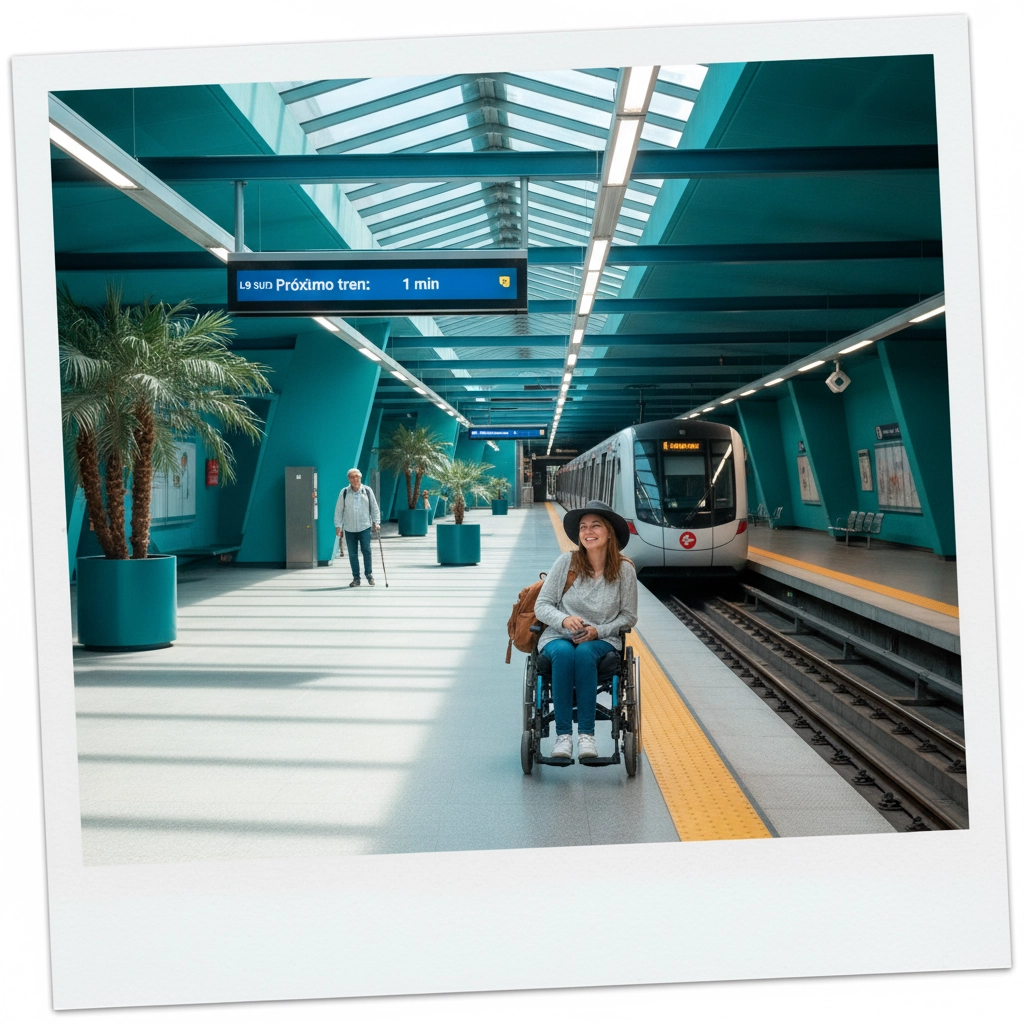
Spanish cities like Barcelona and Madrid have made remarkable progress with their accessibility infrastructure. You'll find step-free access at most metro stations, accessible buses with audio announcements, and tactile paving throughout city centers. Barcelona's metro system is particularly impressive, with over 80% of stations now offering full accessibility features.

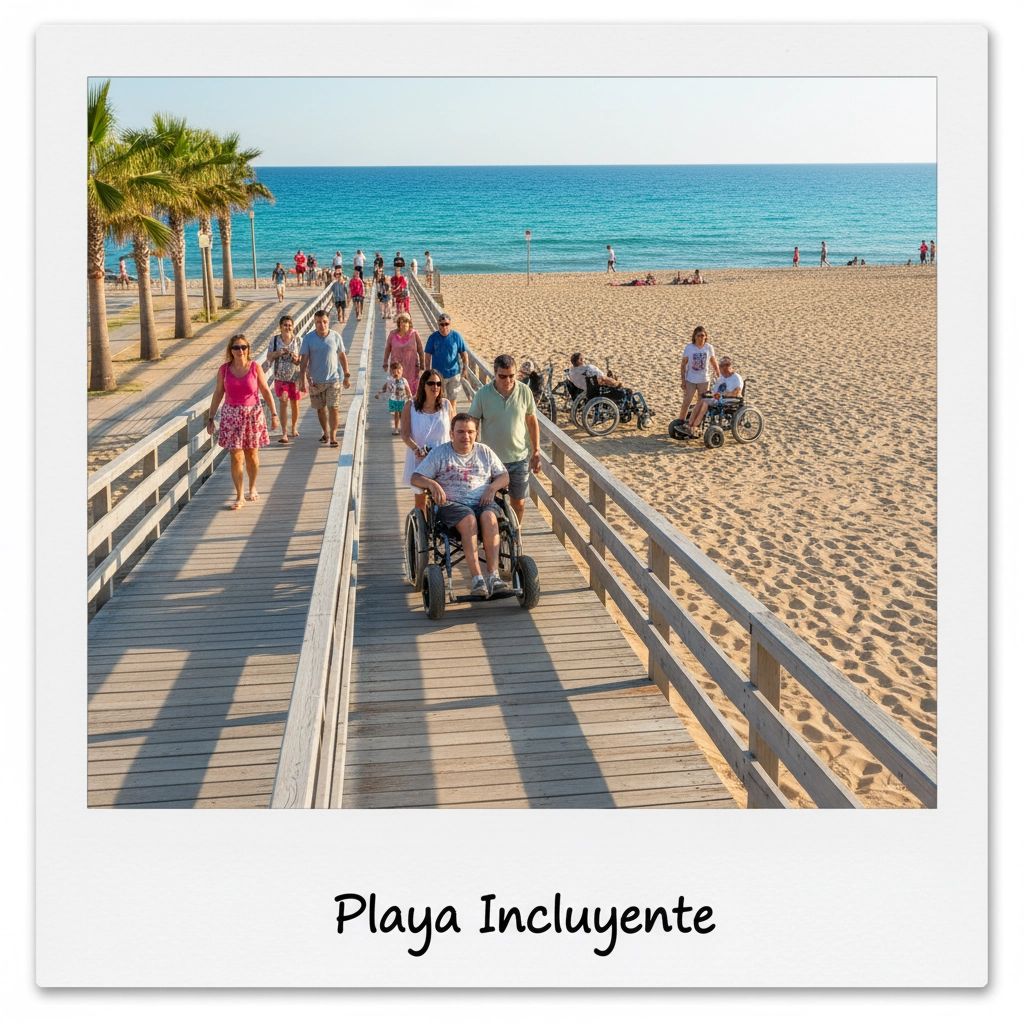
The coastal regions popular with British tourists – including the Costa del Sol, Costa Brava, and Costa Blanca – have implemented comprehensive accessibility standards. Many beaches now feature boardwalks, accessible toilets, and even specially designed beach wheelchairs available for loan. This is perfectly normal and widely accepted – these services are there to be used!

image_1

Accommodation and Support Services

Spanish hotels have embraced accessible tourism with enthusiasm. You'll find that most major hotel chains offer accessible rooms that go beyond basic requirements. Many feature roll-in showers, lowered reception desks, and staff trained in supporting guests with diverse needs. The Spanish government's accessibility certification program means you can trust that certified accommodations truly meet accessibility standards.

What's particularly wonderful is the attitude you'll encounter. Spanish hospitality culture naturally extends to being welcoming and patient with travellers who need extra time or support. Most hotel staff speak at least basic English and are genuinely keen to help however they can.

Getting Around Spain

Spain's high-speed rail network (AVE) is excellent for accessible travel. All AVE trains feature wheelchair spaces, accessible toilets, and assistance services. You can request support when booking, and staff will help with boarding and finding your seat. The trains are modern, comfortable, and make exploring multiple cities straightforward.

Flying into Spain is generally smooth too. Major airports like Madrid-Barajas and Barcelona-El Prat have comprehensive accessibility services, including dedicated assistance teams and accessible transport to the city center.

United Kingdom: Home Advantage with World-Class Accessibility

Choosing an accessible holiday in the UK brings obvious advantages – no language barriers, familiar currency, and the comfort of knowing how things work. But beyond convenience, the UK offers some of the world's best accessibility standards and support services.

Legal Framework and Standards

The UK's Equality Act 2010 means that accessibility isn't just nice to have – it's a legal requirement. This creates consistently high standards across transport, accommodation, and attractions. You can feel confident that venues will have made genuine efforts to be accessible, not just ticked boxes.

Transport Excellence

British transport accessibility is genuinely world-leading. The National Rail network offers excellent support services – you can book assistance 24 hours in advance, and trained staff will help with boarding, finding seats, and connecting to other services. Many stations now feature step-free access, and the newer trains are fully accessible.

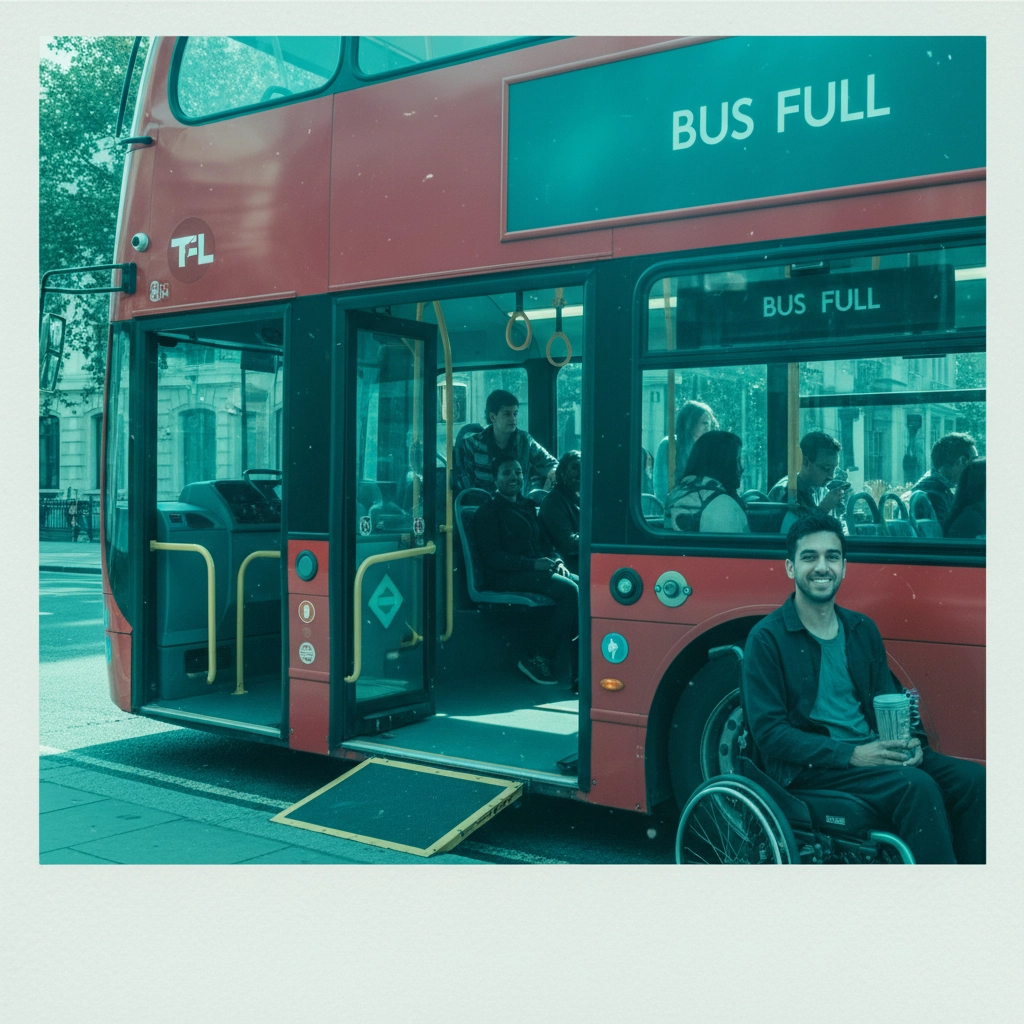
London's transport system deserves special mention. The Elizabeth Line and many Tube stations now offer step-free access, while all buses are fully accessible with audio and visual announcements. The city's black cabs are legendary for their wheelchair accessibility, and apps make booking straightforward.

image_2

Cultural Attractions and Activities

UK attractions have invested heavily in accessibility over recent years. Major museums like the British Museum, Tate Modern, and National Gallery offer comprehensive accessibility services including audio guides, tactile experiences, and quiet spaces. Many provide detailed accessibility guides on their websites, so you can plan ahead with confidence.

The National Trust and English Heritage have made remarkable progress too. Many historic properties now feature accessible routes, lift installations, and sensory-friendly visiting hours. They understand that everyone should be able to experience Britain's incredible heritage.

Accommodation Standards

British accommodation providers generally offer excellent accessibility standards. From luxury hotels to chain hotels like Holiday Inn, Premier Inn, Travelodge, Hilton and Ibis etc you'll find options that offer standardised accessible facilities, giving you confidenece in what you are getting when you book.

Practical Considerations for Your Decision

Weather and Seasonal Factors

Let's be honest – if reliable sunshine is important for your wellbeing, Spain wins hands down. The predictable Mediterranean climate means you can plan outdoor activities with confidence. This can be particularly valuable if you're managing conditions that are affected by weather changes.

The UK offers its own seasonal pleasures, but the weather is less predictable. However, this means fewer crowds during shoulder seasons, which can make attractions more comfortable and accessible.

Cost Considerations

Spain generally offers better value for money, especially when it comes to dining and everyday expenses. Your money will stretch further, which can be important if you need to budget for additional support services or specialized equipment.

UK holidays typically cost more, but you're avoiding international travel expenses like flights and currency exchange. You also have the security of familiar banking systems and emergency services if needed.

image_3

Language and Communication

In the UK, you'll have no language barriers when explaining your needs or asking for help. This can reduce anxiety and make self-advocacy much easier. You'll understand announcements, signage, and emergency information without translation.

Spain's tourist areas are increasingly English-friendly, and many accessibility services operate in multiple languages. Spanish people are generally patient and helpful, even when communication takes a little longer.

Healthcare and Emergency Services

The UK offers the comfort of familiar healthcare systems. You'll know how to access services, understand prescriptions, and navigate any emergency situations. Your regular medications will be easily available, and you'll understand all medical communications.

Spain provides excellent healthcare, and EU agreements mean British citizens can access emergency treatment. However, language barriers and unfamiliar systems can add stress during medical situations. Travel insurance is still a must, which csan be costly depending on your condition and health.

Making Your Choice: What Matters Most to You?

Choosing between Spain and the UK for your accessible holiday really comes down to your personal priorities and needs. Both destinations offer excellent accessibility and support services, but they excel in different areas.

Choose Spain if you:

  • Value reliable warm weather for your wellbeing
  • Want excellent value for money
  • Are comfortable with basic Spanish phrases or using translation apps
  • Prefer beaches and outdoor activities
  • Want to experience different cultures and cuisines

Choose the UK if you:

  • Prefer the security of familiar systems and language
  • Want to minimize travel stress and complications
  • Are interested in historical sites and cultural attractions
  • Don't mind variable weather
  • Want to support domestic tourism

Remember, there's no wrong choice here. Both Spain and the UK offer wonderful opportunities for supported holidays. The most important thing is choosing the destination that feels right for your needs and preferences.

Why not take some time to think about what matters most to you? Consider your support needs, budget, and what would make you feel most comfortable and excited about your holiday. We're here to help make either choice work perfectly for you.

If you'd like to discuss your options further or need help planning your accessible holiday, get in touch with us today. We look forward to helping you create the perfect supported holiday experience, whether that's soaking up Spanish sunshine or exploring British heritage.

Thursday, May 16, 2019

Accessible European Cities

Our Top 10 Accessible Cities in Europe

Altogether Travel has used our customer feedback, combined with our expert knowledge and we have created our top 10 Most accessible cities in Europe.

Why not check them out and if you haven’t visited one of them yet then what is stopping you?
Get in touch with us today and we can make it happen.
2nd Lyon, France
Many consider Lyon to be the food enthusiast capital of France. Despite inclines and cobbled streets, there are lots of accessible areas to explore. If you are in any doubt about this destination, Lyon won ‘EU Access City Award’ in 2018.
1st Rotterdam, The Netherlands
Rotterdam was impacted greatly with WW2, recovering to it what it is today. Contemporary buildings have supported the city’s reputation for accessibility.

3rd Barcelona, Spain
A popular destination for people across the world, Barcelona is not to be forgotten as host of the 1992 Summer Olympics and Paralympics. The city has been updated, developing accessibility.
4th Madrid, Spain
This capital city has a top guide ‘Accessible Madrid’, showcasing accessible tourist areas and great detail is included. Exactly what we want to see!
5th Salzburg, Austria
Salzburg was crowned ‘EU Access City Award’ back in 2012. This title still very much applies today with accessibility by the Alps. Floors have been lowered, ramps extended, with the vast majority of public transport being completely accessible. This has been achieved by working alongside locals with disabilities.
6th Gothenburg, Sweden
Gothenburg achieved ‘EU Access City Award’ more recently in 2014, with a focus on ensuring accessibility throughout spaces for the public. Travel Instructors were formed to assist people with accessibility concerns.
7th Ljubljana, Slovenia
This capital of Slovenia is building on its accessibility reputation, enforcing new developments to provide accessible buildings and most buses provide low flooring. Also showcased is a tactile guide, highlighting various routes to be explored with people in mind, living with visual impairment or blindness.
8th Frankfurt, Germany
Frankfurt is known for its Christmas markets and blending tradition with the contemporary, committed to removing barriers people experience – even to enjoy skyscraper views! Also in place is a city tour for people with visual impairment called ‘Feeling Frankfurt’.
9th Budapest, Hungary
Budapest has a focus for accessibility, working towards achieving greater accessibility by 2030. Currently many buses have lowered floors, and historical trams (known locally as trolleys!) offer full access.
10th Milan, Italy
Milan has been driven since 2011 to address accessibility, being awarded ‘EU Access City Award’ not too long ago in 2016. The central train stations of the city are completely accessible, with tourist routes highlighted online for accessibility.

Beyond our Top 10

There are so many accessible destinations to choose from! Beyond our Top 10 here are a few more we think you may be interested in.
Vienna, Austria
This capital has lots to offer, both with information and accessibility. Vienna has an official travel page with accessible attractions, places to eat, famous opera houses and theatres.
Oslo, Norway
As this country’s biggest city, Oslo has achieved close to fully accessible public transport. The harbour destination’s boats and ferries are also known to be accessible.
Cologne, Germany
Aside the river Rhine, Cologne has driven accessibility improvements since 2004 and welcomes more people with various accessible tour options to experience landmarks such as its famous Cathedral. Also, a local brewery if this may interest you!
Stockholm, Sweden
This capital has a dedicated accessibility Vice-Mayor, focused on developing improvements for access. Throughout the city ramps are in place, with cross points for pedestrians designed for people with visual impairment and wheelchair users.
Berlin, Germany
Berlin is well known for its focus for accessibility, collaborating to drive the removal of barriers people may face with mobility. Most improvements have involved buildings open to the public, as well as transport.
Copenhagen, Denmark
Scandinavia in general is a major forward-thinker in terms of accessibility. This applies inclusive of Copenhagen’s contemporary Black Diamond building, historical Palace, and amusement park. Lots of exploring to do whatever your interests!

Did you know we have guides available to download from our website?

Many people are unsure at first where they could go and how everything works, so we hope this helps to inspire your next holiday with us – ‘...