Wednesday, April 15, 2026


Taking Your Powerchair Abroad: The Ultimate Damage-Free Flight Checklist

[HERO] Taking Your Powerchair Abroad: The Ultimate Damage-Free Flight Checklist

For many of us, our powerchairs aren’t just "equipment", they are our independence, our legs, and our ticket to seeing the world. But we know that the thought of handing over your chair to an airline ground crew can feel a bit like handing over a family member to a group of strangers. We’ve heard the horror stories, and we understand the anxiety.

At Altogether Travel, we believe that everyone should have the chance to explore, whether that’s a city break in Edinburgh or a sun-soaked getaway. That’s why we’ve put together this comprehensive guide with assistance and guidance from a few of our customers.

We’ve helped hundreds of travelers navigate the skies, and we want to share the practical, tried-and-tested steps you can take to ensure your chair arrives at your destination in the same condition it left.

Patience and preparation are key here. By following a methodical approach, you can significantly reduce the risk of damage and fly with a lot more peace of mind. Let’s get into the nitty-gritty of making your flight as smooth as possible.

1. The Research Phase (Before You Even Book)

Not all aircraft are created equal. Some smaller planes have cargo holds with very narrow doors, which means your chair might not even fit unless it’s tilted on its side (which we definitely want to avoid!).

  • Check the Dimensions: Before you click ‘pay’ on those tickets, check the aircraft type. You can usually find this in the flight details. Then, look up the cargo door dimensions for that specific plane. If your chair is 110cm high and the door is only 80cm, you’ll need to know if the backrest can be folded down safely.
  • The 48-Hour Rule: Airlines generally require at least 48 hours' notice if you are traveling with a mobility aid, but honestly, the earlier the better. Why not let them know at the moment of booking? This gives the airline time to ensure they have the right equipment (like an aisle chair) and space available.
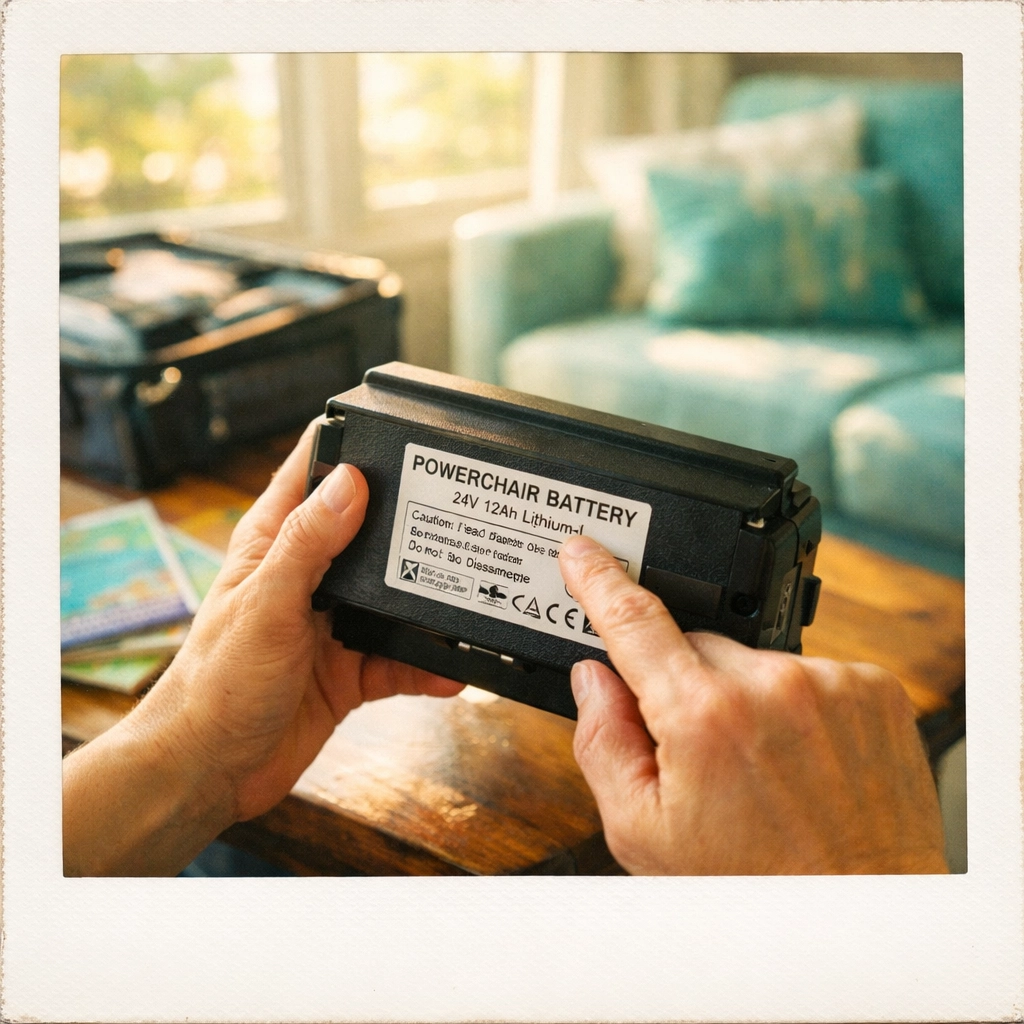
  • Battery Specs: This is the big one. The airline will want to know exactly what kind of battery powers your chair. Is it Dry Cell, Wet Cell, or Lithium-Ion? We’ll dive deeper into this in a moment, but have your manual or a photo of the battery sticker ready.

2. Navigating the Battery Minefield (IATA Regulations)

Batteries are the most common cause of "denied boarding" for powerchairs. Airlines follow strict International Air Transport Association (IATA) regulations because batteries are classified as "dangerous goods."

A traveler checking technical specifications on a powerchair battery before a flight.

  • Lithium-Ion (Li-ion): These are common in modern, lightweight chairs. Usually, you are allowed one battery up to 300Wh, or two batteries up to 160Wh each. If your battery is larger than this, you might run into trouble.
  • Calculating Watt-hours (Wh): If your battery only lists Amp-hours (Ah) and Volts (V), just multiply them together. (e.g., 24V x 10Ah = 240Wh).
  • Dry Cell / Gel / AGM: These are generally easier to transport as they are non-spillable. They usually stay on the chair, but the terminals must be insulated to prevent short circuits.
  • The "Kill Switch": Most airlines require the battery to be disconnected. If your chair has a specific "flight mode" or a physical plug that can be pulled, make sure you know exactly how to do it.

3. Preparing Your Chair for the "Ramp"

Think of the cargo hold as a bit of a bumpy ride. Your goal is to make your chair as "slim" and "protected" as possible.

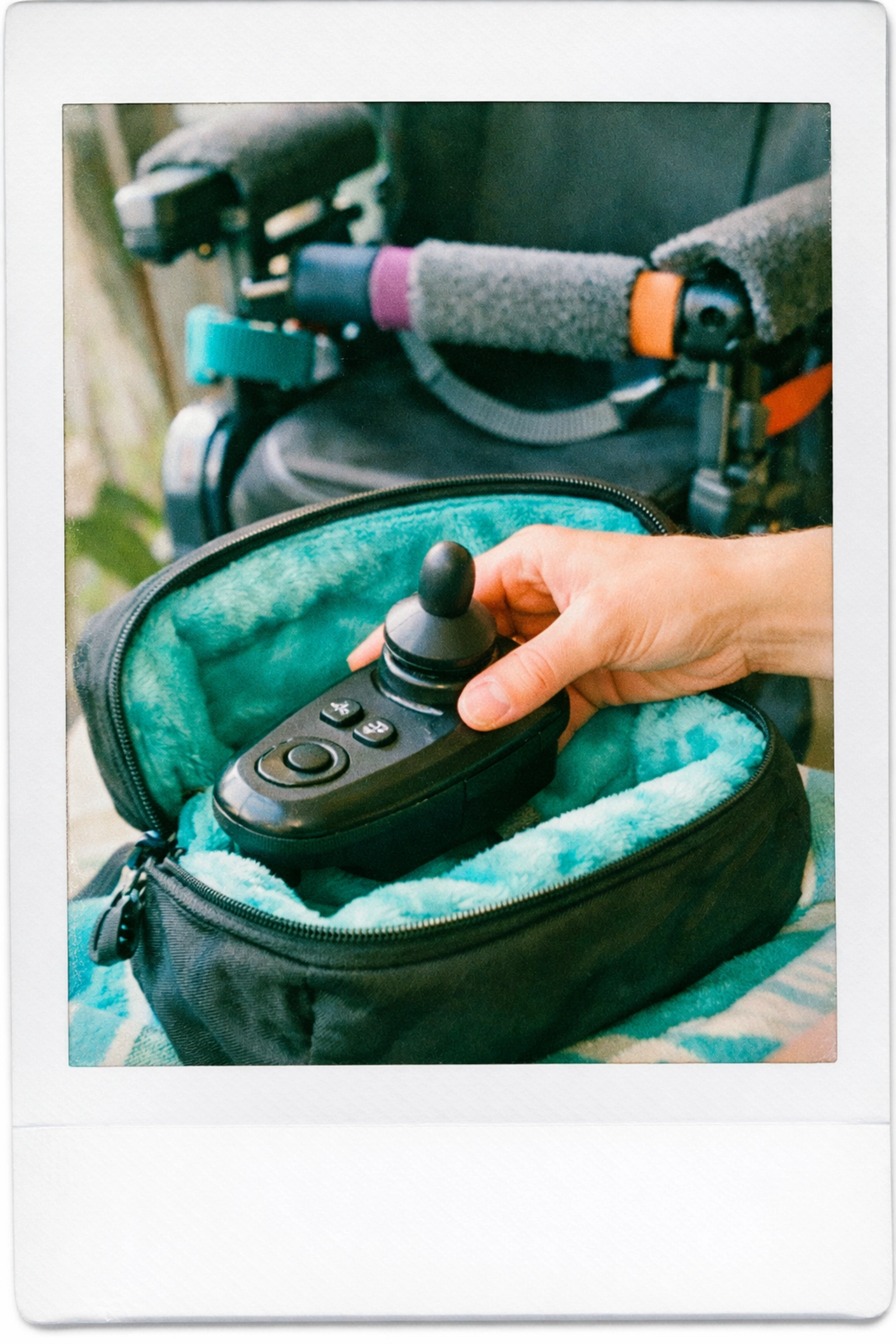
  • Remove the Joystick: This is the most fragile part of your chair. If it gets bumped, your chair is out of commission. Most joysticks can be unplugged and unscrewed. Take it into the cabin with you in your carry-on bag, it’s your "brain," keep it safe!
  • Take Off the Extras: Anything that can come off, should come off. This includes headrests, footplates, cushions, and side guards. Pack these into a dedicated "gate-check bag" or keep them with you. Your cushion is especially important, sitting on a standard airplane seat for hours can be tough on the skin, so we always recommend sitting on your own cushion during the flight.
  • The "Instructions for Dummies" Sign: Don’t assume the ground crew knows how to operate your specific model. Print out a simple, laminated instruction sheet and zip-tie it to the back of the seat. Use large fonts and simple diagrams. Include:
    • How to put the chair into "Freewheel" mode.
    • Where the lifting points are.
    • "DO NOT TILT" or "THIS SIDE UP" instructions.
    • Your contact details.

Placing a detached powerchair joystick into a protective travel bag for safe flying.

4. Physical Protection: Bubble Wrap is Your Friend

It might look a bit silly, but padding your chair can save you a world of heartbreak.

  • Protect the Frame: Use pipe insulation (the foam tubes you get at DIY stores) to cover the metal frame. It’s cheap, lightweight, and snaps right on.
  • Secure Loose Cables: Use Velcro straps or zip ties to ensure no wires are hanging loose. A snagged wire can be just as debilitating as a broken frame.
  • Photo Evidence: Before you hand the chair over at the gate, take high-quality photos and a quick video from all angles. This is your "insurance" if you need to prove the chair was undamaged before the flight.

5. At the Airport: Staying in Control

Arriving early is the best way to reduce stress. For long-haul flights, three hours is a safe bet. This gives you plenty of time to talk to the assistance team and ensure everyone is on the same page.

  • Gate Check: We always recommend "gate-checking" your chair. This means you stay in your own chair right up until the door of the plane. This minimizes the amount of time the chair is being handled by baggage systems and allows you to speak directly to the crew.
  • The Ramp Supervisor: If you see the person in the high-vis vest near the aircraft door, don't be afraid to give them a friendly wave and a quick "Hi, that’s my chair! It’s in freewheel mode and the joystick is with me." A little bit of human connection goes a long way.
  • The Aisle Chair: You will likely need to transfer into a narrow "aisle chair" to get to your seat. This can be a sensitive process, so please don't be afraid to tell the assistance staff exactly how you prefer to be lifted or supported. They are there to help, but you are the expert on your own body.

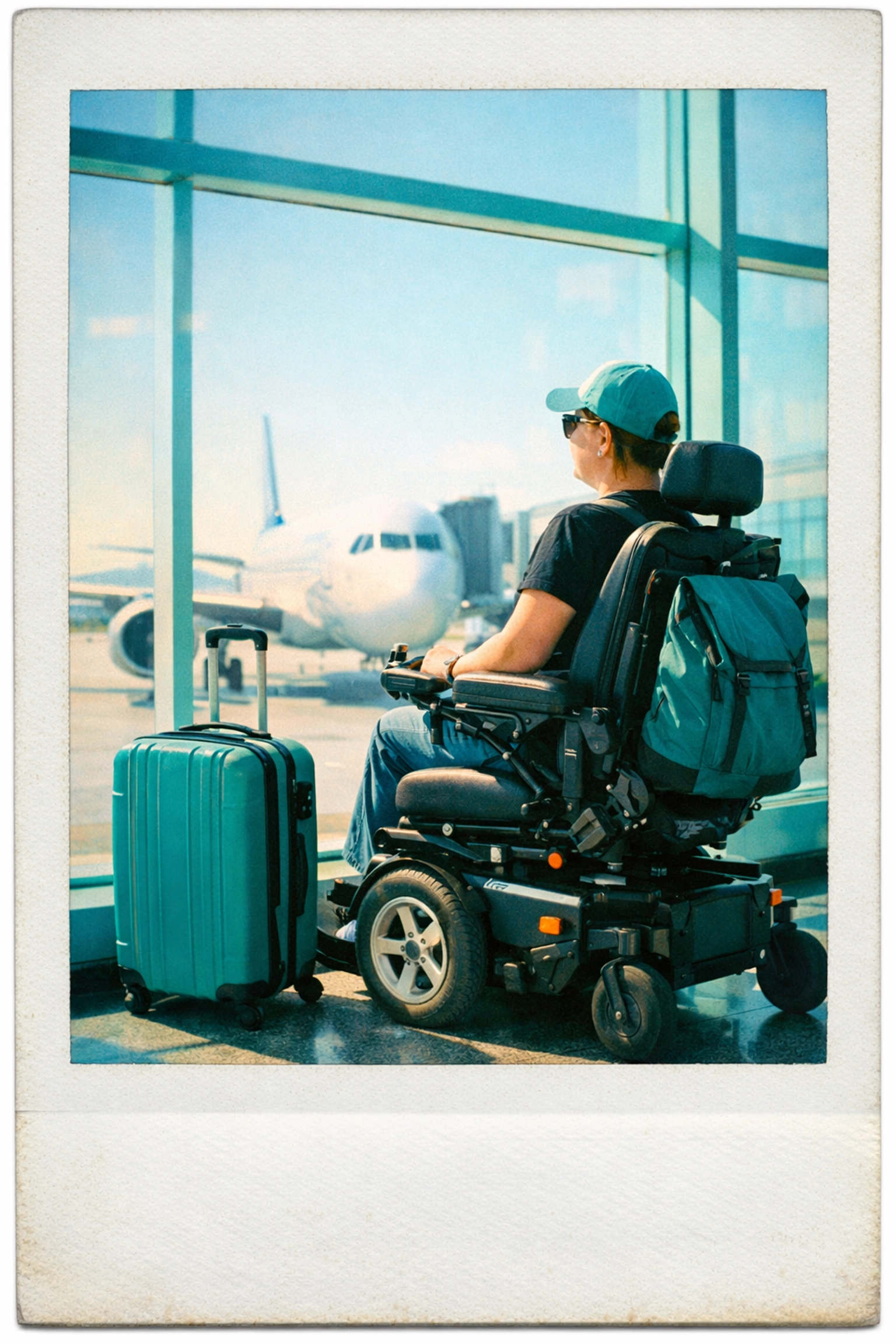
A powerchair user looking out at an airplane at the airport gate before boarding.

6. Arrival: The Moment of Truth

When you land, the airline should bring your chair back to the aircraft door (or as close as possible). Don't feel rushed to get off the plane; often, it’s easier to wait until the other passengers have cleared out so you have space to transfer back into your chair.

  • The Immediate Inspection: Before you leave the airbridge or the gate area, do a full "walk-around" of your chair. Check the joystick connection, the wheels, the backrest, and the battery.
  • If There is Damage: We hope this never happens, but if it does, do not leave the airport without filing a report. You need to find the airline's baggage desk and ask for a Property Irregularity Report (PIR).
  • Document Everything: Take photos of the damage immediately. Get the name of the staff member who helps you and a reference number for your claim. The airline is legally responsible for the repair or replacement of your mobility aid under international agreements like the Montreal Convention.

A Final Word of Encouragement

Traveling with a powerchair requires an extra layer of logistics, but the rewards are so worth it. Seeing the world, meeting new people, and pushing the boundaries of what’s possible is a beautiful thing. Most airline staff are incredibly helpful and want to get you to your destination safely: they just need the right information from you.

By being organized, assertive, and prepared, you’re not just protecting your chair; you’re ensuring your holiday starts the right way. If you’re feeling a bit overwhelmed or want some help planning your next accessible adventure, why not get in touch with us today? We can help with everything from airport accessibility to finding the perfect destination that fits your needs.

You’ve got this! The world is waiting for you, and with a bit of bubble wrap and a solid plan, your powerchair will be right there with you. We look forward to hearing about your travels soon!

Safe travels,
The Altogether Travel Team

Monday, March 9, 2026


From Dream to Departure: How to Turn Your Travel 'Somedays' Into 'Today'

[HERO] From Dream to Departure: How to Turn Your Travel 'Somedays' Into 'Today'

We’ve all got one. It’s that mental folder tucked away in the back of our minds labelled “Someday.” You know the one: it’s filled with glossy mental snapshots of sipping a Guinness in a snug Dublin pub, watching the changing of the guard in London, or finally seeing the rugged beauty of the Scottish Highlands in person.

For many of us, especially those of us navigating life with a disability or supporting an elderly loved one, that “Someday” folder can feel a bit heavy. It’s weighted down by "What ifs." What if the hotel isn't actually accessible? What if I need medical support while I’m there? What if the flight is a nightmare?

At Altogether Travel, we’re here to tell you that "Someday" doesn't have to be a distant, blurry concept. In fact, we’re quite fond of turning "Someday" into "Next Tuesday" (or, you know, a well-planned date in the near future). Travel is about more than just ticking boxes; it’s about independence, joy, and the sheer thrill of seeing something new. So, let’s talk about how we can move from the dreaming phase to the boarding gate.

Shifting the Mindset: From "Can I?" to "How Can I?"

The biggest hurdle to any adventure isn't usually a flight of stairs or a narrow doorway: it’s the mindset that tells us travel is "too complicated" for people with support needs. It’s perfectly natural to feel a bit of trepidation. In fact, a bit of healthy respect for the logistics keeps you prepared! But don’t let that caution turn into a "No."

The first step is simply deciding that you deserve a holiday. Whether you’re a wheelchair user, living with sensory impairments, or an older traveler who just needs a helping hand, the world belongs to you just as much as anyone else. Once you make travel a priority, the excuses start to lose their power.

Think of it like this: instead of looking at a destination and wondering if it’s possible, start asking how we can make it work. This shift in perspective is where the magic happens. You don’t need to have all the answers right now: that’s what we’re here for!

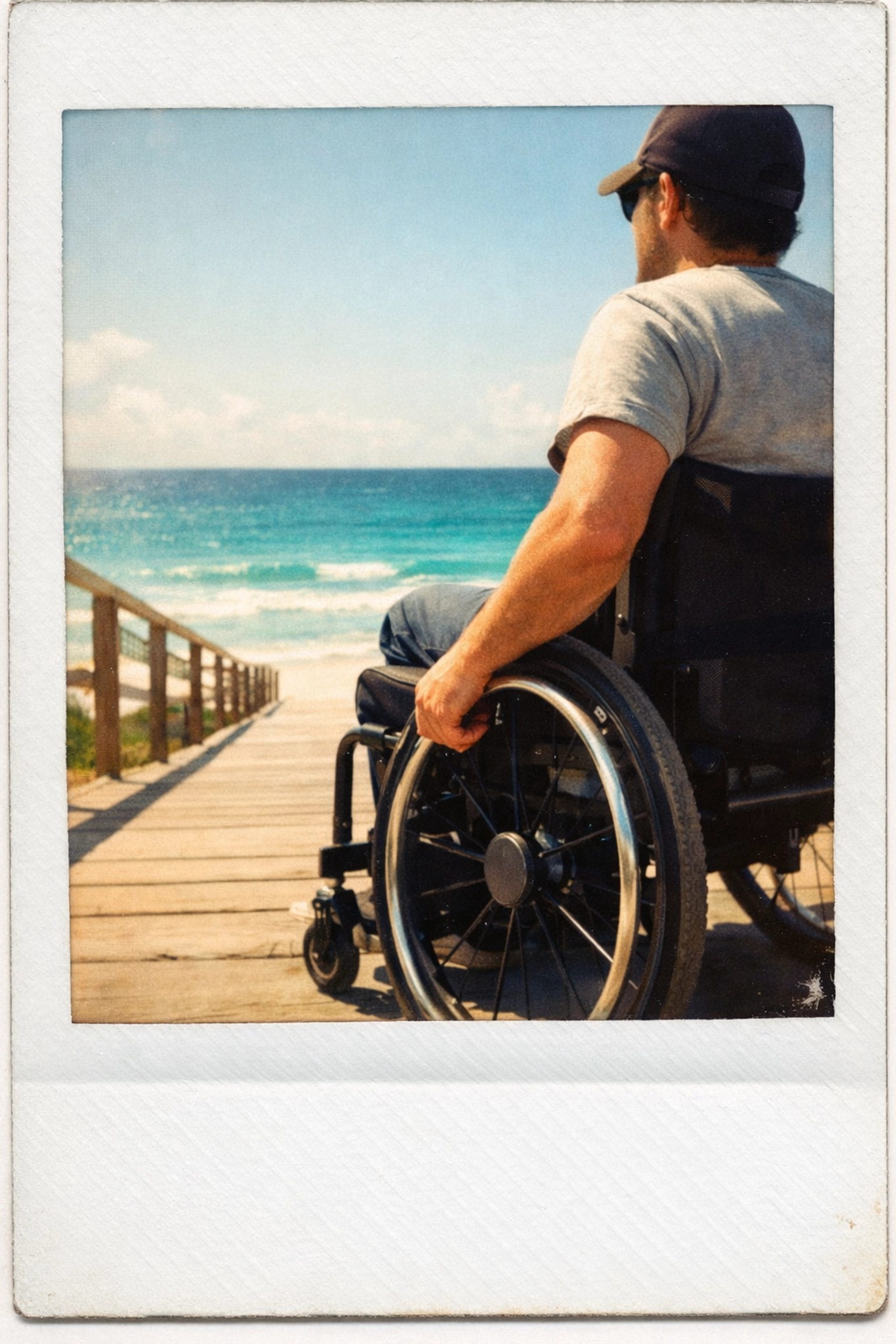
A wheelchair user looking out at a bright turquoise sea from an accessible coastal boardwalk.

Overcoming the Fear of the Unknown

The "Unknown" is a scary place. It’s where the "What ifs" live. For our travelers, the unknown might mean worrying about accessible transport in a foreign city or whether a carer will understand their specific routine.

One of the best ways to combat this fear is through information. Knowledge is the ultimate anxiety-buffer. Start by looking at photos of where you want to go. Read about other people’s experiences. If you’re thinking about a specific city, why not check out some of our handy guides? We’ve put together some great resources for places like London and Dublin to help you get a feel for the land.

Remember, it’s okay to start small. You don’t have to jet off to the other side of the world for your first trip. Maybe a weekend break in Edinburgh or Glasgow is the perfect way to test the waters and build your confidence.

Setting Your 'SMART' Travel Goals

If you want to turn a dream into a departure, you need a plan. Vague goals like "I want to travel more" are hard to achieve because they don't have a finish line. Instead, try using the SMART method:

  • Specific: Instead of "Europe," say "A 4-day trip to Liverpool." (Check out our Liverpool guide if that sounds up your alley!)
  • Measurable: Decide on a budget or a specific number of sights you want to see.
  • Achievable: Be realistic about what you need. If you need 1-to-1 support, build that into the plan from day one.
  • Relevant: Choose a destination that actually excites you, not just one that seems "easy."
  • Time-bound: Pick a month or a season. "I want to see the autumn leaves in Scotland in October."

Writing these goals down makes them feel real. It moves the trip from your imagination onto a piece of paper (or a digital note), and suddenly, it’s a project rather than a pipe dream.

The Secret Sauce: Why Professional Planning Matters

This is the part where we get to brag a little: but only because we’re proud of what we do! Planning an accessible holiday involves about ten times more research than a standard trip. You have to verify door widths, check lift maintenance schedules, coordinate equipment hire, and ensure transport is truly inclusive.

It’s a lot of work, and frankly, you shouldn’t have to do it alone.

At Altogether Travel, we are regulated by the Care Inspectorate. This is a big deal! It means we don’t just book hotels; we provide a professional level of care and support that meets high national standards. When you book through our vacation planning service, we handle the heavy lifting:

  1. Tailored Logistics: We find the accommodation that actually fits your needs, not just the ones that claim to be "accessible" on a website.
  2. Expert Companionship: Our Holiday Companions are there to provide the support you need, whether it’s personal care or just an extra pair of hands to navigate a busy airport.
  3. Stress-Free Coordination: From flights to specialized equipment hire, we knit it all together into one seamless itinerary.

By letting us handle the "nitty-gritty," you get to focus on the fun stuff: like deciding which souvenir to buy or which restaurant has the best gluten-free cake. Our goal is to make the process so easy that the only thing you have to worry about is whether you packed enough socks.

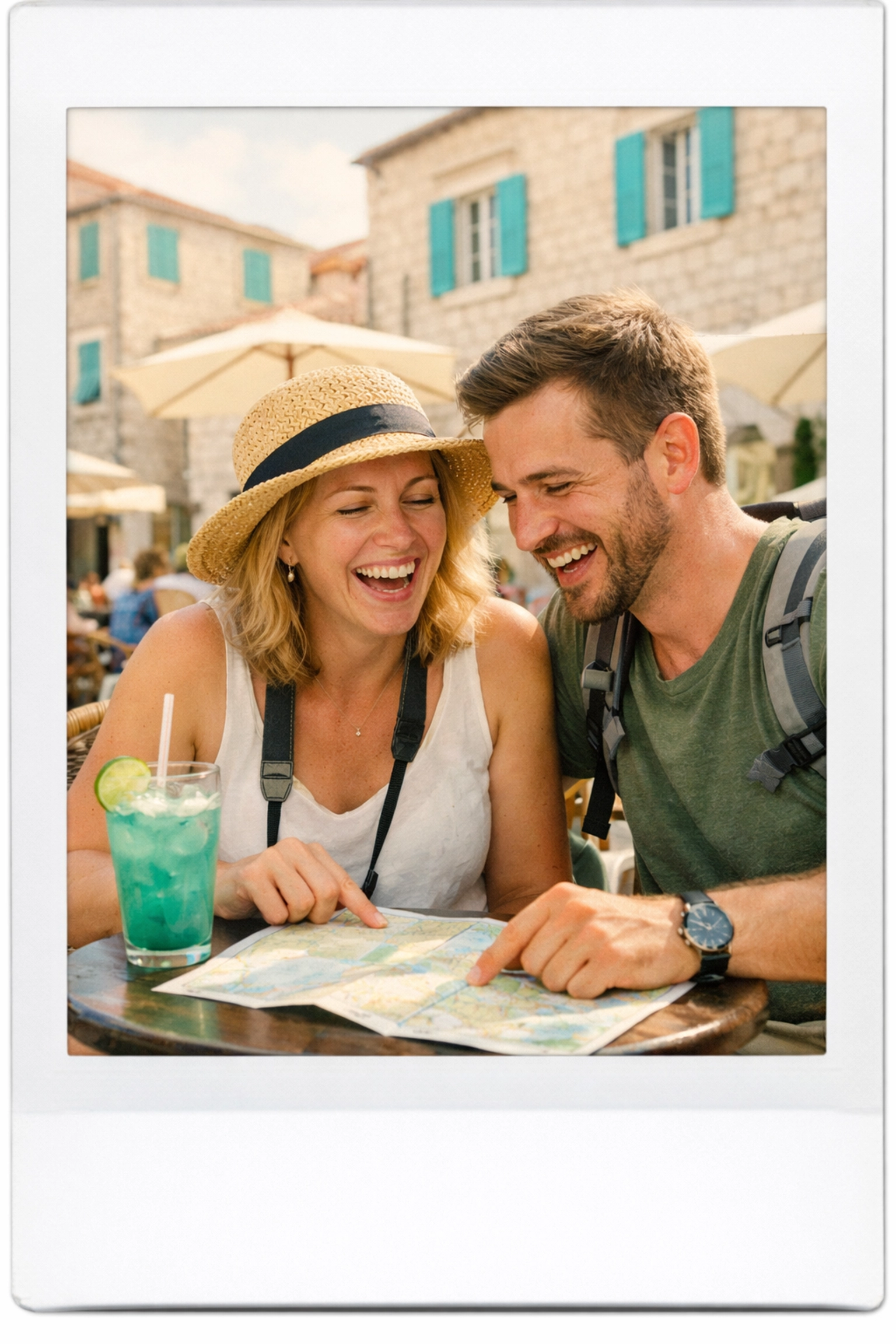
A traveler and their support companion laughing while looking at a travel map at a sunny outdoor cafe.

Building Your Travel Resources

While we do the planning, you can start building your "Travel Muscles." This involves a bit of research and a bit of saving.

  • The Vision Board: It might sound a bit "new age," but seeing a picture of the Eiffel Tower or the Blackpool Tower on your fridge every day keeps the goal front and centre. It’s a constant reminder of why you’re saving those extra pennies.
  • The Financials: Start a dedicated travel fund. Even small amounts add up. Look for "quick wins": maybe skip that extra takeaway coffee and put the £4 into your "Holiday Pot."
  • Stay Informed: Knowledge is power. We offer a range of free guides that cover everything from specific cities to general travel tips. Digging into these can help demystify the process.

The Joy of Independence

One of the most frequent things we hear from our travelers is how much they value the feeling of independence. It sounds a bit contradictory: using a support service to gain independence: but it’s true!

Having the right support in place means you aren't relying on family members who might be stressed or tired. It means you are the boss of your own holiday. You decide when to wake up, where to eat, and how long to stay at the museum. That freedom is the real heart of travel. It’s about rediscovering yourself outside of your usual four walls and realizing that you are capable of so much more than you thought.

A person with a disability smiling while shopping independently at a vibrant local artisan market.

Taking the First Step (It’s Easier Than You Think)

If you’ve been waiting for a sign to start planning, this is it. Consider this your official invitation to stop "Someday-ing."

You don't have to have everything figured out right now. You don't even need to know exactly where you want to go. You just need to have the desire to explore. Why not take a look at our FAQ blog to see how we’ve helped others in similar situations? It’s a great place to find reassurance and see that your concerns are perfectly normal and, more importantly, solvable.

The world is a big, beautiful, and increasingly accessible place. From the historic streets of Edinburgh to the vibrant culture of London, there are memories waiting to be made.

So, what’s stopping you? Whether it's a fear of the unknown or just not knowing where to start, we’re here to walk (or roll!) alongside you every step of the way. We’ve seen firsthand how a single trip can change a person's outlook on life, boosting confidence and creating stories that last a lifetime.

Let’s Chat!

We’d love to hear about your travel dreams. Even if they feel a bit "pie in the sky" right now, get in touch with us! Our team is friendly, professional, and: most importantly: passionate about making travel inclusive for everyone.

You can contact us today for a no-pressure chat about your needs and ideas. Or, if you want to learn more about who we are and what we stand for, head over to our About Us page.

Your "Someday" is waiting. Let’s make it "Today." We look forward to hearing from you soon and helping you turn those travel dreams into a reality. Safe travels!

Monday, February 2, 2026


Redefining the 'Inspiration' Narrative: What the 2026 Winter Paralympics Teach Us About Travel

[HERO] Redefining the 'Inspiration' Narrative: What the 2026 Winter Paralympics Teach Us About Travel

As we look toward the horizon of 2026, all eyes are turning to the snow-capped peaks of the Italian Alps and the chic streets of Milan. The Milano Cortina 2026 Winter Paralympics are fast approaching, and there is a buzz in the air that feels different this time. It’s not just about the medals or the breathtaking speed of a sit-skier flying down a mountain: it’s about a fundamental shift in how we talk about disability, performance, and the world of travel.

At Altogether Travel, we’ve always believed that seeing the world shouldn't be a "brave" act; it should just be a Tuesday. As we gear up for the Games, let’s dive into why this event is doing more than just crowning champions: it’s rewriting the rulebook for accessible travel and kicking the old "inspiration porn" narrative to the curb.

Moving Beyond "Inspiration Porn"

We’ve all seen it: the slow-motion video with the tinkly piano music, telling us how "inspiring" it is that someone in a wheelchair is simply… out in public. In the world of disability advocacy, this is often called "inspiration porn." It’s the idea that disabled people exist primarily to make non-disabled people feel better about their own lives.

The 2026 Winter Paralympics are set to flip that script. These athletes: like sled hockey star Malik Jones: aren’t there to be your morning motivation. They are elite competitors who have trained their entire lives to be the best in the world. They aren’t "overcoming" their disabilities; they are mastering their sports using incredible innovation and raw talent.

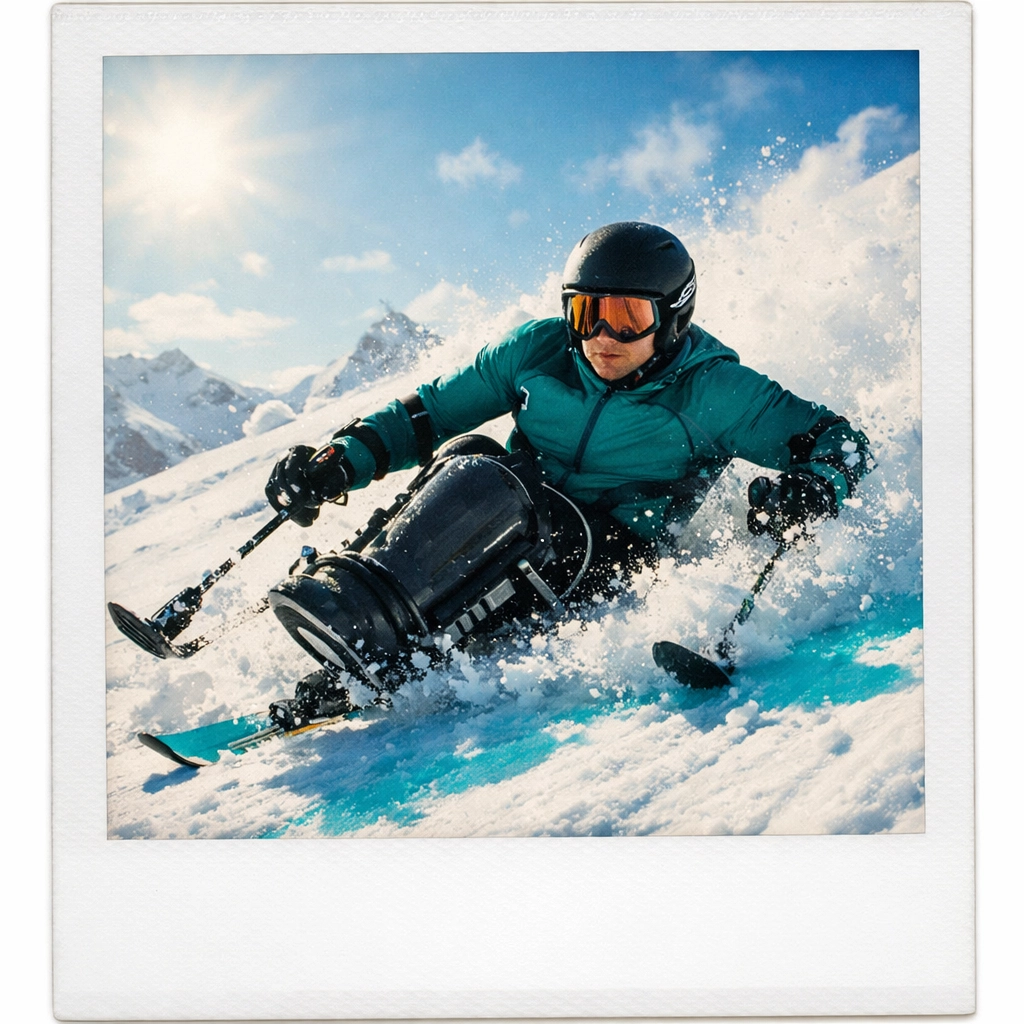
A Paralympic athlete skillfully sit-skiing down a snowy mountain slope, highlighting elite performance and athletic talent.

When we look at travel through this lens, the narrative changes. We shouldn't be "inspired" that a person with support needs wants to visit the Colosseum or explore the Highlands of Scotland. We should be focused on the performance of the travel industry. Is the infrastructure high-performance? Is the care seamless? At Altogether Travel, our mission is to move away from the "aw, isn't that nice" sentiment and toward a standard of excellence where your support needs are met so efficiently that you can focus entirely on the experience. If you’re curious about how we do this, why not check out our about us page to see our philosophy in action?

The "Test Bed" for a More Accessible World

One of the coolest things about the 2026 Games is how Milano Cortina is being used as a "test bed." The organizers aren't just building stadiums; they are integrating climate action, circular economy principles, and: most importantly for us: radical inclusion.

Venues like the Olimpia delle Tofane are being adapted to meet modern accessibility standards that will remain long after the closing ceremony. But the real magic happens in the transit. When a city hosts the Paralympics, it’s forced to look at its "pinch points." Can a thousand wheelchair users navigate the metro at once? Are the tactile pavings up to scratch? Are the elevators actually working (and not just "out of order" for three months)?

This "Paralympic Effect" creates a ripple of accessibility that benefits every traveler. If a mountainous region like Cortina d'Ampezzo can figure out how to transport athletes and fans with diverse needs across snowy terrain, it sets a new gold standard for winter tourism everywhere. It proves that accessibility isn't an "add-on": it’s a fundamental requirement of modern infrastructure.

Innovation: From the Slopes to Your Suitcase

The tech we see at the Paralympics often trickles down into everyday travel. Think about the advancements in all-terrain wheelchairs, lightweight carbon-fiber prosthetics, and adaptive sit-skis. These innovations are the cousins of the equipment that helps our travelers explore beaches or navigate cobblestone streets.

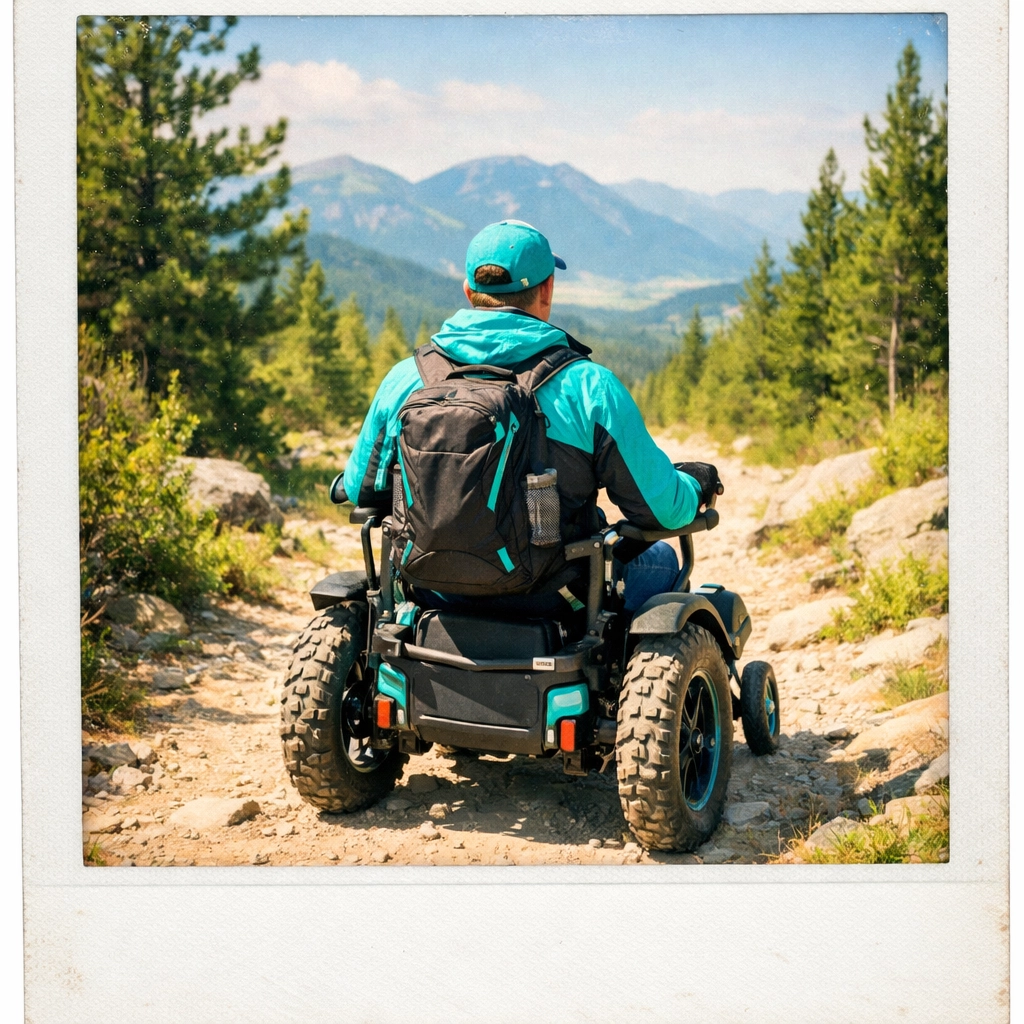
A traveler using an all-terrain wheelchair on a scenic mountain trail, demonstrating modern adventure travel accessibility.

We are seeing a revolution in "adventure access." People are no longer content with just staying in an accessible hotel room; they want to go where the action is. The 2026 Games are highlighting that with the right tech and the right support, the "impossible" parts of a map become accessible. This is exactly why we offer specialized vacation planning. We look at the barriers: whether they are physical, sensory, or cognitive: and find the "Paralympic-level" solutions to bypass them.

The Altogether Travel Mission: Your Professional Pit Crew

Think of a Paralympic athlete. They are the stars, the ones doing the hard work and feeling the rush of the wind. But behind them is a team: coaches, mechanics, and support staff who ensure every piece of equipment is perfect and every logistical detail is handled.

That is how we view our role at Altogether Travel. We aren't here to "supervise" your holiday; we are your professional pit crew. We provide high-standard care and expert logistics so that you can be the athlete of your own life. Whether you’re heading to see the Games in Italy or just fancy a weekend in London, our goal is to enable independence.

By handling the nitty-gritty: like airport accessibility and complex care schedules: we free you up to focus on the sport of living. Most of all, be kind to yourself during the planning process; it’s okay to ask for help to make your dream trip a reality.

Lessons for Your Next Adventure

So, what can the 2026 Winter Paralympics teach you about your next trip?

  1. Demand Better Infrastructure: Don't settle for "accessible-ish." Look for destinations that are actively investing in inclusion.
  2. Focus on the Experience, Not the Barrier: The athletes don't focus on the snow as an obstacle; they focus on how to glide over it. When planning, think about what you want to do first, then let us worry about the "how."
  3. Independence is a Team Sport: Even the most independent traveler can benefit from a support system. Having a companion who understands your needs means you don't have to spend your energy explaining yourself: you can spend it enjoying the view.

If you’re feeling the itch to travel but aren't sure where to start, we’ve got some handy resources. Why not take a look at our free guides? We have specific ones for London, Edinburgh, and even Dublin. It’s a great way to start visualizing your next "Gold Medal" getaway.


A Positive Shift for the Future

The 2026 Winter Paralympics represent a turning point. We are moving away from the era of "inspiration" and into the era of "expectation." We expect our world to be accessible. We expect our travel providers to be experts. And we expect to have the same opportunities for adventure as anyone else.

At Altogether Travel, we are cheering on the athletes in Milano Cortina, but we’re also cheering on you. Whether your mountain is a literal one in the Alps or just the challenge of navigating a busy airport for the first time in years, we’re here to help you conquer it.

A modern accessible stone pathway overlooking a snowy Alpine village, representing inclusive travel infrastructure.

Everything is possible with the right plan and a bit of Italian-style flair. If you’re ready to redefine what travel looks like for you, get in touch with us today. We can have a chat about your needs, your dreams, and how we can make them happen together. We look forward to hearing from you soon!

After all, the world is waiting; and it’s looking more accessible than ever. Ciao for now!

Thursday, January 15, 2026

 Boost Your Holiday Confidence Instantly with These 5 Virtual Pre-Travel Experience Tips

heroImage

There's something magical about planning a holiday, isn't there? The excitement of imagining yourself in a new place, experiencing different cultures, and creating memories that will last a lifetime. But if we're being honest, that excitement can sometimes come with a side of nerves, especially if you're travelling somewhere unfamiliar or have specific needs to consider.

Here's the good news: technology has made it easier than ever to prepare for your trip from the comfort of your own home. Virtual pre-travel experiences are a wonderful way to familiarise yourself with your destination, reduce anxiety, and build the confidence you need to truly enjoy your holiday. And the best part? You can do all of this before you even pack your bags.

Whether you're a seasoned traveller or someone who finds the idea of a new destination a little overwhelming, these five virtual pre-travel tips are here to support you every step of the way. Everyone is different, and that's perfectly okay, these suggestions can be adapted to suit your own pace and preferences.

1. Take Virtual Tours of Your Accommodation

One of the most reassuring things you can do before travelling is to get familiar with where you'll be staying. Many hotels, holiday rentals, and accessible accommodations now offer virtual tours on their websites. These 360-degree views allow you to "walk through" the property, explore room layouts, and get a real sense of the space.

image_1

Why is this so helpful? Well, knowing exactly what to expect when you arrive can make a world of difference. You might want to check the distance from the bed to the bathroom, see how wide the doorways are, or simply get comfortable with the general layout of your room. This is perfectly normal: many people find that visual familiarity helps reduce first-night jitters.

Here are a few things to look out for during your virtual tour:

  • The layout of the room and bathroom facilities
  • Accessibility features such as grab rails, walk-in showers, or lift access
  • The location of the reception area and any on-site restaurants
  • Outdoor spaces and how to access them

If the accommodation doesn't have a virtual tour available, don't hesitate to reach out and ask for photos or even a quick video call walkthrough. Most places are more than happy to help you feel prepared and welcome.

2. Explore Your Destination with Street View and Online Maps

Google Street View and similar mapping tools are absolute treasures when it comes to pre-travel preparation. You can virtually "walk" down the streets of your destination, explore the area around your hotel, and even find the nearest shops, pharmacies, or accessible attractions.

This is particularly useful if you want to plan your routes in advance. You could take some time to look at photos of the paths you'll be taking, check for kerb cuts or step-free access, and identify landmarks that will help you navigate when you arrive. It's like having a practice run before the real thing!

Try exploring:

  • The route from your accommodation to key attractions
  • Public transport stations and their entrances
  • Restaurant locations and outdoor seating areas
  • Parks, beaches, or other points of interest

Taking this virtual stroll can help turn an unfamiliar place into somewhere that feels a little more like home. And remember, there's no rush: take your time and explore at your own pace.

3. Schedule Virtual Consultations with Travel Experts

Sometimes, the best way to build confidence is to speak with someone who truly understands travel. Virtual consultations with travel advisors or specialists allow you to ask questions, voice concerns, and receive personalised recommendations tailored to your specific needs.

image_2

At Altogether Travel, we believe that everyone deserves a holiday that works for them. That's why we're always happy to have a friendly chat about your travel plans, whether you're curious about accessibility at a particular destination or simply want some reassurance about what to expect. A virtual consultation can cover everything from accommodation options to transportation, local attractions, and any support services you might need along the way.

During your consultation, you might want to discuss:

  • Your specific accessibility requirements or preferences
  • The best times to visit your chosen destination
  • Local customs or cultural considerations
  • Any concerns or anxieties you'd like to address

Speaking with an expert who listens and understands can be incredibly reassuring. You're not alone in this: we're here to help make your travel dreams a reality. Why not get in touch with us and start the conversation?

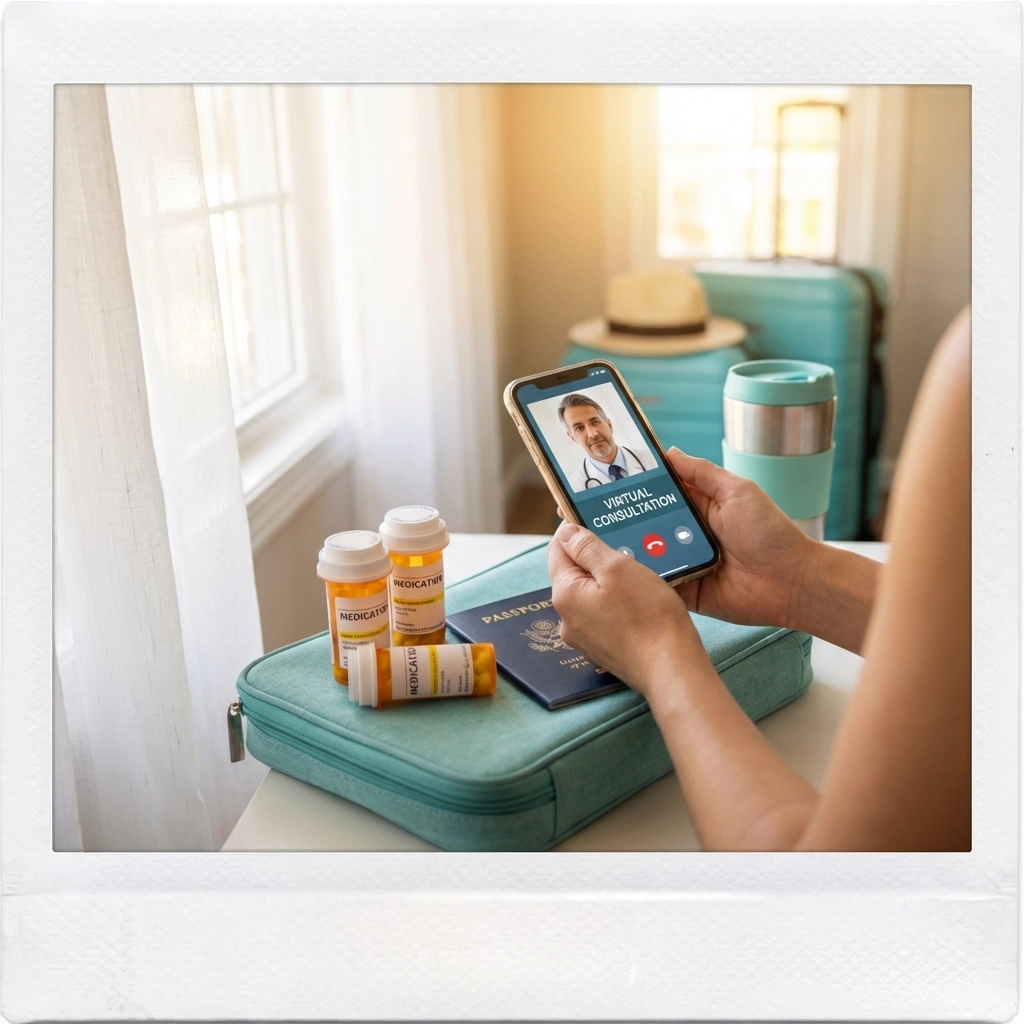
4. Connect with Healthcare Providers Before You Go

If you have health considerations or take regular medication, a virtual consultation with your healthcare provider is a brilliant step to take before travelling. Many doctors now offer e-visits where you can discuss your travel plans and receive tailored advice for your destination.

Ideally, you'll want to book this consultation 4-6 weeks before your trip to allow plenty of time for any necessary preparations. Your healthcare provider can help you with:

  • Vaccination requirements: Some destinations require proof of certain vaccinations, and your doctor can advise on what's needed and ensure you have proper documentation.
  • Medication supplies: Making sure you have enough medication to last your entire trip, plus a little extra just in case, is essential. Your doctor can also provide guidance on safe storage: such as keeping prescriptions in your carry-on luggage.
  • Region-specific health advice: Your provider can educate you about any health risks that might be present at your destination and discuss prevention strategies. This preparation helps you feel ready for anything.
  • Medical records: Having a copy of your medical records and medication list to carry with you can be incredibly helpful if you need to seek care while abroad.

image_3

Knowing that you've prepared for health considerations in advance can lift a huge weight off your shoulders. And here's some extra peace of mind: many virtual care services are available 24/7 during your travels, so professional support is just a tap away no matter where you are or what time zone you're in.

5. Use Video Calls to Preview Accessibility Features

This tip is particularly valuable if you have specific accessibility needs. Many attractions, restaurants, and venues are now happy to arrange video calls so you can preview their facilities before you visit. This might include seeing the accessible entrance, viewing the layout of exhibition spaces, or checking out the accessible bathroom facilities.

Don't be shy about reaching out: most businesses genuinely want to ensure you have a positive experience and will be glad to help. A quick email or phone call to request a video preview can make all the difference.

You might want to ask about:

  • Step-free access and lift availability
  • The width of doorways and pathways
  • Seating options and rest areas
  • Any sensory-friendly spaces or quiet rooms
  • Staff training in accessibility awareness

By seeing these features in advance, you can arrive feeling confident and informed. And if something doesn't quite meet your needs, you'll have time to make alternative arrangements or ask about additional support.

Bringing It All Together

Preparing for a holiday doesn't have to feel overwhelming. With virtual pre-travel experiences, you can explore, plan, and build confidence from wherever you are. Whether it's taking a virtual tour of your hotel room, chatting with a travel advisor, or having a video call with a local attraction, these small steps can transform travel anxiety into genuine excitement.

We hope these tips have been helpful and encourage you to embrace the possibilities that virtual preparation offers. Everyone's travel journey is unique, and there's no right or wrong way to prepare: do what feels comfortable for you.

If you'd like more support in planning your perfect holiday, we'd love to hear from you. Check out our free destination guides for inspiration, or explore our vacation planning services to see how we can help bring your travel dreams to life.

Most of all, be kind to yourself throughout the planning process. Travel is meant to be enjoyed, and with a little virtual preparation, you'll be ready to make the most of every moment. We look forward to hearing from you soon!

Did you know we have guides available to download from our website?

Many people are unsure at first where they could go and how everything works, so we hope this helps to inspire your next holiday with us – ‘...